
Nine unforgettable camps in the Serengeti ecosystem
In the Serengeti, the address matters more than the thread count. Here is how we choose camps by region, season and travel style.
The most common mistake we see in Serengeti planning is choosing a camp by photograph. The Serengeti is roughly the size of Northern Ireland. A beautiful lodge in the wrong region during the wrong month means three hours of driving before your first sighting, every single morning.
So we choose in this order: region first, then season, then style, then price. This piece explains how those four filters work, and profiles nine properties across the ecosystem that we place guests in repeatedly because they deliver on what they promise.
We are not paid to recommend any of them. Where a property has a real weakness, it is named.
- Region beats aesthetics: match your camp to where the herds and the game are in your month.
- Mobile camps move with the migration and are the right answer for Ndutu in February and Kogatende in September.
- Public campsites and simple tented camps in Seronera deliver excellent game viewing at a third of the cost.
- Book central Serengeti if you want reliable resident predators year-round rather than migration drama.
- Three nights in one camp beats one night in three: transfer days are not game-viewing days.
The five regions and who each suits
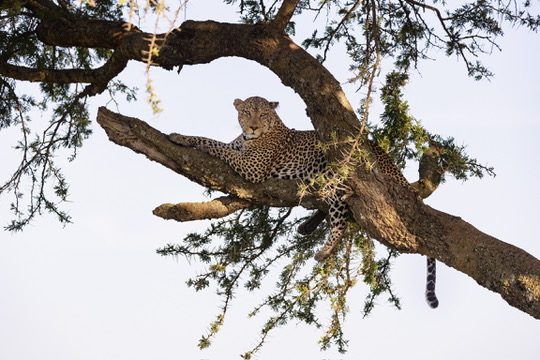
Seronera, the central Serengeti, is the year-round heart of the park. Permanent water in the Seronera River valley means resident lion prides, leopards in the sausage trees and cheetah on the plains regardless of month. It is also the busiest region, and mid-morning around a good leopard sighting you will share the road.
Ndutu and the southern plains sit partly in the Ngorongoro Conservation Area. This is calving country from December to March, unmatched for predator behaviour, and largely empty for the rest of the year.
The Western Corridor runs towards Lake Victoria along the Grumeti River. June and July are its moment, when crossings and enormous crocodiles concentrate the action. Outside that window it is quiet.
The northern Serengeti around Kogatende and Lamai holds the Mara River crossings from August to October, plus a genuinely wild feel and excellent resident game. The far north is remote, and the drive from Arusha is long enough that most guests fly.
Lobo and the northeast are the underrated middle ground: fewer vehicles, dramatic kopje country, and the herds passing through in July and again in November.
Camp styles, decoded
Mobile tented camps are dismantled and rebuilt as the herds move, typically two or three times a year. They are canvas, they are comfortable, and they place you inside the action. Expect bucket showers or safari-style hot water, solar lighting, and dinner under the stars. This is the honest luxury of the Serengeti.
Permanent tented camps sit in one location year-round, with proper plumbing, decking and often a pool. They suit families and anyone who wants the sound of canvas with the reliability of a lodge.
Lodges are built structures, often on a kopje or escarpment with wide views. They are the easiest option for guests with mobility considerations, and the most weather-proof choice in green season.
Public and special campsites are the value tier. Karis runs fully equipped camping itineraries with dome tents, mattresses, a private cook and hot meals in the bush. Guests are frequently surprised at how good the food is and how close the game comes.
- Ultra-luxury: private butler service, plunge pools, private vehicles included
- Luxury: en-suite tents, generous space, excellent food and wine, high guide ratios
- Midrange: comfortable en-suite tents or lodge rooms, buffet dining, strong locations
- Classic and camping: shared or simple facilities, superb locations, best value per night
Nine properties we return to
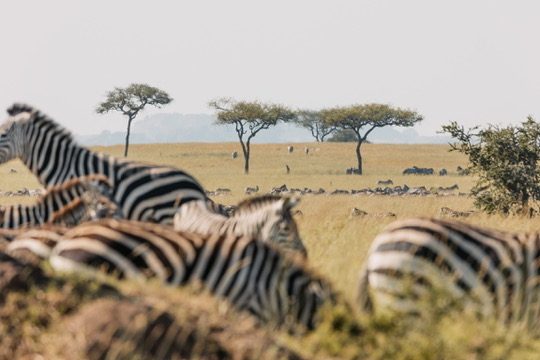
Ndutu mobile camps, southern plains. Small canvas camps that follow the calving herds from December to March. Nothing else puts you this close to concentrated predator activity, and they are the reason February bookings close so early.
Kusini area camps, south-west Serengeti. Quieter than Ndutu proper, excellent for cheetah on open plains, and a good choice when Ndutu is fully booked in peak calving weeks.
Seronera valley tented camps, central Serengeti. The reliable year-round choice. Leopards in the riverine forest, big lion prides, and short drives to sightings, which matters if you have children or limited days.
Moru Kopjes camps, central-south. Rock outcrops, ancient Maasai paintings and a small population of black rhino under protection. The most atmospheric corner of the central park.
Grumeti area camps, Western Corridor. June and July only, for the Grumeti crossings and some of the largest Nile crocodiles in East Africa.
Lobo area lodges, north-east. Built into kopjes with sweeping views, well priced, and genuinely uncrowded even in shoulder months.
Kogatende mobile camps, north. The base for Mara River crossings from August to October, positioned within thirty minutes of the main crossing points.
Lamai wedge camps, far north. Between the Mara River and the Kenyan border, the wildest-feeling corner of the ecosystem, with excellent resident lion.
Karatu and Ngorongoro highland lodges. Not in the Serengeti, but the standard first and last night on almost every route, with coffee farms, cool air and easy crater access at dawn.
What each tier actually costs
Serengeti accommodation is priced per person per night, sharing, and includes full board and usually park-adjacent conservation fees. Camping itineraries start around 200 to 300 US dollars per person per day all in. Midrange tented camps typically land between 350 and 550. Luxury camps run from about 600 to 1,000, and the ultra-luxury tier climbs well beyond that in the peak crossing months.
Park fees are the fixed cost nobody escapes: Serengeti entry, Ngorongoro Conservation Area fees and the crater service fee together represent a significant share of any quote. That is why a five-day trip is rarely half the price of a ten-day one.
Our advice for a fixed budget is consistent. Reduce the tier before you reduce the nights, and use camping or midrange to buy more days in the field.
How to choose in five minutes
Fix your travel month first. Identify which region the herds occupy then. Decide whether you want migration drama or reliable resident predators, because those are different regions in most months. Then set your tier and let us match specific camps to availability.
Tell us honestly about sleep, mobility, dietary needs and how much driving you tolerate. Those four answers change our recommendation more than any stated budget does.
Questions we are asked about this
Itineraries built around this
More from the journal
Let us build this into your journey.
Tell us your dates and what matters most to you. A Karis journey designer in Arusha will reply with a tailored route, camps and full pricing.