
Planning a multi-generational safari in Tanzania
Three generations, one vehicle, one week. The trips that work are the ones designed around pace, not around a species checklist.
A family safari fails for predictable reasons: too many parks in too few days, too much driving between them, and an itinerary written for a keen 35-year-old rather than for a seven-year-old and a 72-year-old sharing the same back seat.
The trips that work look different. Fewer parks, longer stays, mornings in the field and afternoons at the pool, a private vehicle so the day can change at 11:00, and lodges chosen for family rooms and shade rather than for a magazine photograph.
Here is how we structure them, what ages actually work, and the practical detail parents ask us about most.
- Two or three parks in seven to nine days, never five.
- Private vehicle and private guide are non-negotiable for mixed ages.
- Six years old is a comfortable minimum for a full safari; younger children suit Arusha, Manyara and short crater days.
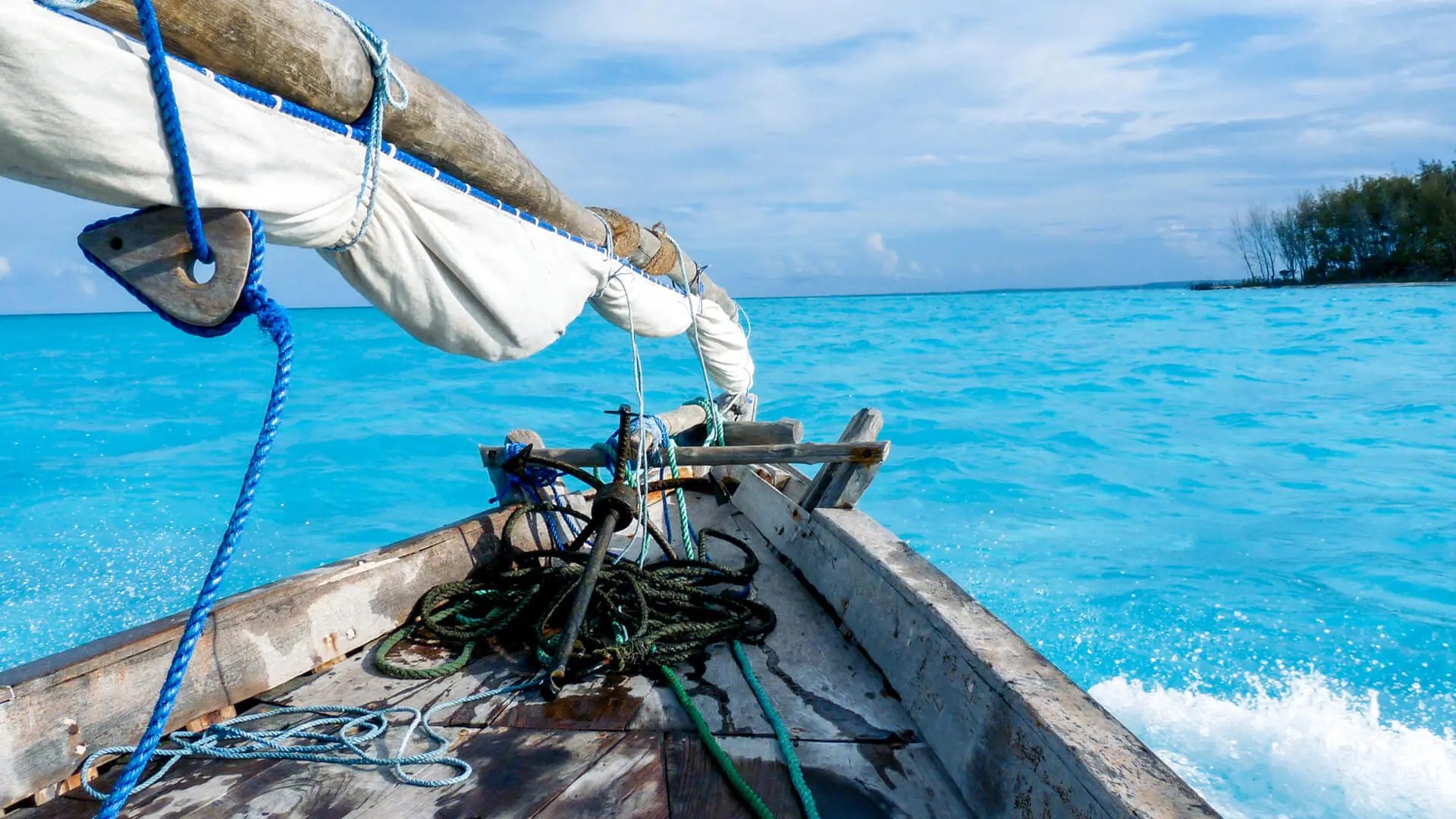
- Build in one non-game day, or a Zanzibar extension, to reset everyone.
- Book interconnecting or family rooms early; they are the first thing to sell out.
What works at what age
Under five, we recommend a short, gentle programme: Arusha National Park with its walking safari and canoeing on Momella, a day at Lake Manyara, a coffee farm, and a Ngorongoro Crater day if the child copes with an early start. Full Serengeti circuits with long transfers are hard on very young children.
Six to eleven is the sweet spot. Attention spans handle four-hour game drives with a break, children remember the trip vividly, and many lodges run junior ranger programmes: tracking, spoor casting, birding lists and star talks.
Twelve and up can do everything, including walking safaris in designated areas, balloon flights at most operators from around age seven or eight depending on height, and full six-day migration itineraries.
Grandparents mostly need the same things children do: shorter drives, predictable rest, ground-floor or lift-accessible rooms and a vehicle they can climb into comfortably. Tell us about knees, hips and altitude sensitivity and we will change the route rather than the person.
A route that works, and why
Day one, arrive at Kilimanjaro International and sleep in Arusha. Nobody should start a safari after a long-haul flight. Day two, Arusha National Park or Lake Manyara as a gentle first game day. Day three and four, Tarangire with two nights in one camp so there is a full day without packing.
Day five, the Ngorongoro Crater with a dawn descent and a picnic on the floor. Day six and seven, the central Serengeti with two nights in one camp. Fly back from Seronera to Arusha on day eight rather than driving, and add Zanzibar if the group has the days.
The design principle is simple: no more than one moving day in three, and every long transfer replaced by a flight where the budget allows. The money spent on a Seronera to Arusha flight buys back an entire day of everyone's holiday.
The vehicle, and the shape of a day
Our Land Cruisers seat up to seven with a pop-up roof, charging points, a cool box and window seats for everyone. On family trips we deliberately under-fill the vehicle so children have room to move and grandparents have a spare seat to spread out.
A workable day looks like this: an early breakfast box and a 06:15 departure, three to four hours of game driving, back to camp by 11:00, lunch and pool or rest until 15:30, then a shorter afternoon drive and sundowners. Nobody is exhausted by day four, which is when badly paced safaris come apart.
Bring binoculars for each child, a species checklist and a small notebook. A child who is looking for something behaves entirely differently from one who is being driven around.
Health, safety and practicalities
Consult a travel clinic six to eight weeks before departure. Yellow fever certification is required if you are arriving from or transiting a country with risk of transmission. Malaria prophylaxis is standard advice for northern Tanzania, and paediatric options exist. Repellent, long sleeves at dusk and treated nets do most of the work.
Camps are unfenced in the Serengeti and children must be escorted after dark. Several family-friendly properties are fenced or have family tents grouped near the main area, and we will steer you to those if young children are travelling.
Carry a small medical kit with rehydration salts, antihistamines, plasters and any prescriptions in hand luggage. Our vehicles carry a first-aid kit, and every guide is first-aid trained with radio and phone contact to the office. Evacuation cover such as Flying Doctors is inexpensive and we recommend it for every guest.
Cost, and where to spend
Park fees for children aged five to fifteen are substantially discounted, and under-fives are usually free, which softens the group total more than people expect. The largest levers on a family quote are the number of vehicles, the number of rooms and whether you fly any legs.
Where we advise spending: a private vehicle, two-night minimums, and one flight to remove the longest transfer. Where we advise saving: accommodation tier in the first and last nights, and choosing green season, when family rooms are both available and cheaper.
Ask about family rates. Many camps offer a free or heavily discounted child sharing with two adults, and several waive single supplements for a grandparent travelling alone with the group.
Questions we are asked about this
Itineraries built around this
More from the journal
Let us build this into your journey.
Tell us your dates and what matters most to you. A Karis journey designer in Arusha will reply with a tailored route, camps and full pricing.