
Arusha
The green, coffee-scented city under Mount Meru where every Northern Circuit safari begins - and where a small collection of day-experiences quietly rival the parks themselves.
- Elevation
- 1,400 m
- Mount Meru
- 4,566 m
- Airport
- JRO · 45 min
- Best base for
- 1-4 days
Guide to Arusha
Nestled at the foot of Mount Meru, Arusha is widely regarded as the safari capital of Tanzania. The city serves as the main gateway to the country's renowned Northern Safari Circuit, offering easy access to world-famous national parks and conservation areas. With a pleasant climate, vibrant local markets, cultural attractions, and modern amenities, Arusha is the ideal starting point for wildlife adventures, mountain expeditions, and cultural experiences.
Arusha is Tanzania's safari capital - a highland town of 500,000 people set on the coffee-growing lower slopes of Mount Meru. Every Northern Circuit journey begins and ends here, which means most guests treat it as a transit point and miss what is genuinely one of the most enjoyable places to spend a day or two in East Africa.
The town itself is compact, walkable and cool at 1,400 metres, ringed by coffee plantations, forest and the Momella lakes to the north. Within an hour of the city you can canoe on a volcanic crater lake, hike to a 100-metre waterfall through banana groves, swim in a natural hot spring, cook a Chagga meal with a local family, or ride horses through open acacia country under Meru.
This guide covers the town itself and the collection of day and multi-day experiences that make Arusha worth extending your trip for, whether at the start of your safari to shake off the flights or at the end to decompress before the flight home.
Why spend time in Arusha
Most safari itineraries treat Arusha as a one-night pit stop between the airport and the first park. That is a mistake for three reasons. First, jet lag: after a long-haul flight, a full day in Arusha at 1,400 metres of altitude does more for your safari than heading straight into the bush. Second, variety: the experiences on offer here (canoeing, waterfalls, hot springs, coffee, culture) are things you cannot do inside the parks. Third, cost: Arusha days are dramatically cheaper than park days, and they lengthen the trip without inflating the budget.
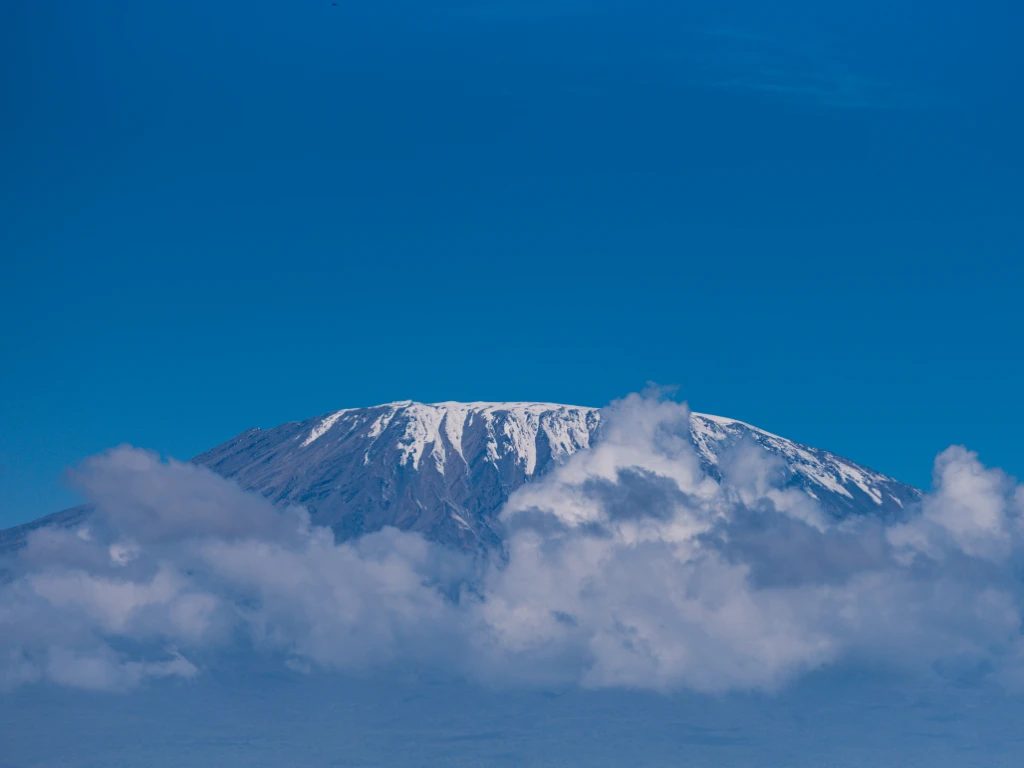
Arusha also happens to be beautiful. The town sits at the edge of the Great Rift Valley, with Mount Meru's forested cone rising 3,000 metres above it and Kilimanjaro visible on clear mornings 70 kilometres to the east. The colonial-era centre has bookshops, cafes and craft markets; the outskirts are green coffee estates and small farming villages where daily life continues untouched by the safari industry.
The Arusha experience collection
Lake Duluti canoeing - a small volcanic crater lake 15 minutes from town, ringed by forest and rich in birdlife. Two hours of paddling with a local guide, followed by a walking loop around the rim.
Materuni waterfalls & coffee tour - a half-day trip to a 100-metre waterfall in the Kilimanjaro foothills, combined with a Chagga coffee farm visit (pick, roast and drink your own coffee).
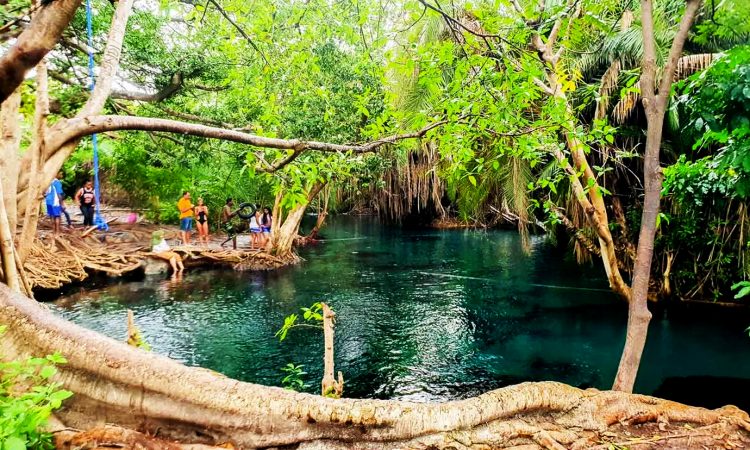
Chemka (Kikuletwa) hot springs - a turquoise natural pool fed by mountain springs, 90 minutes from Arusha. Swim, jump from the fig trees, and picnic on the banks.
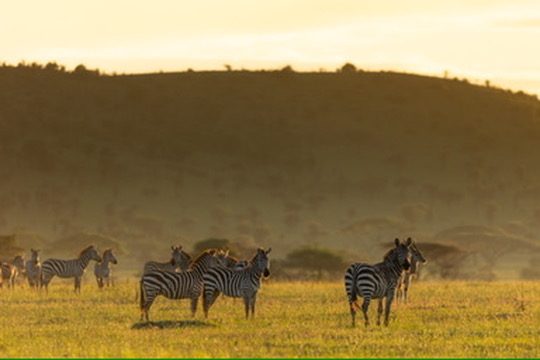
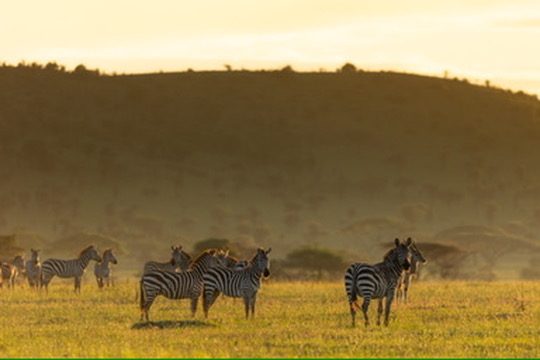
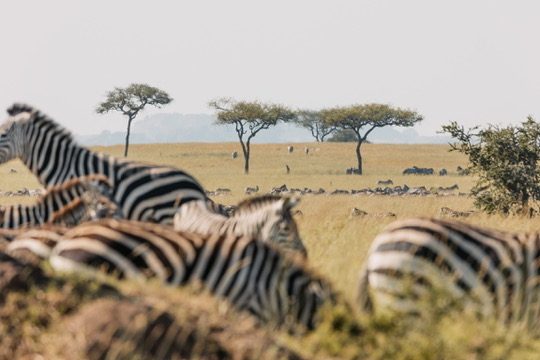
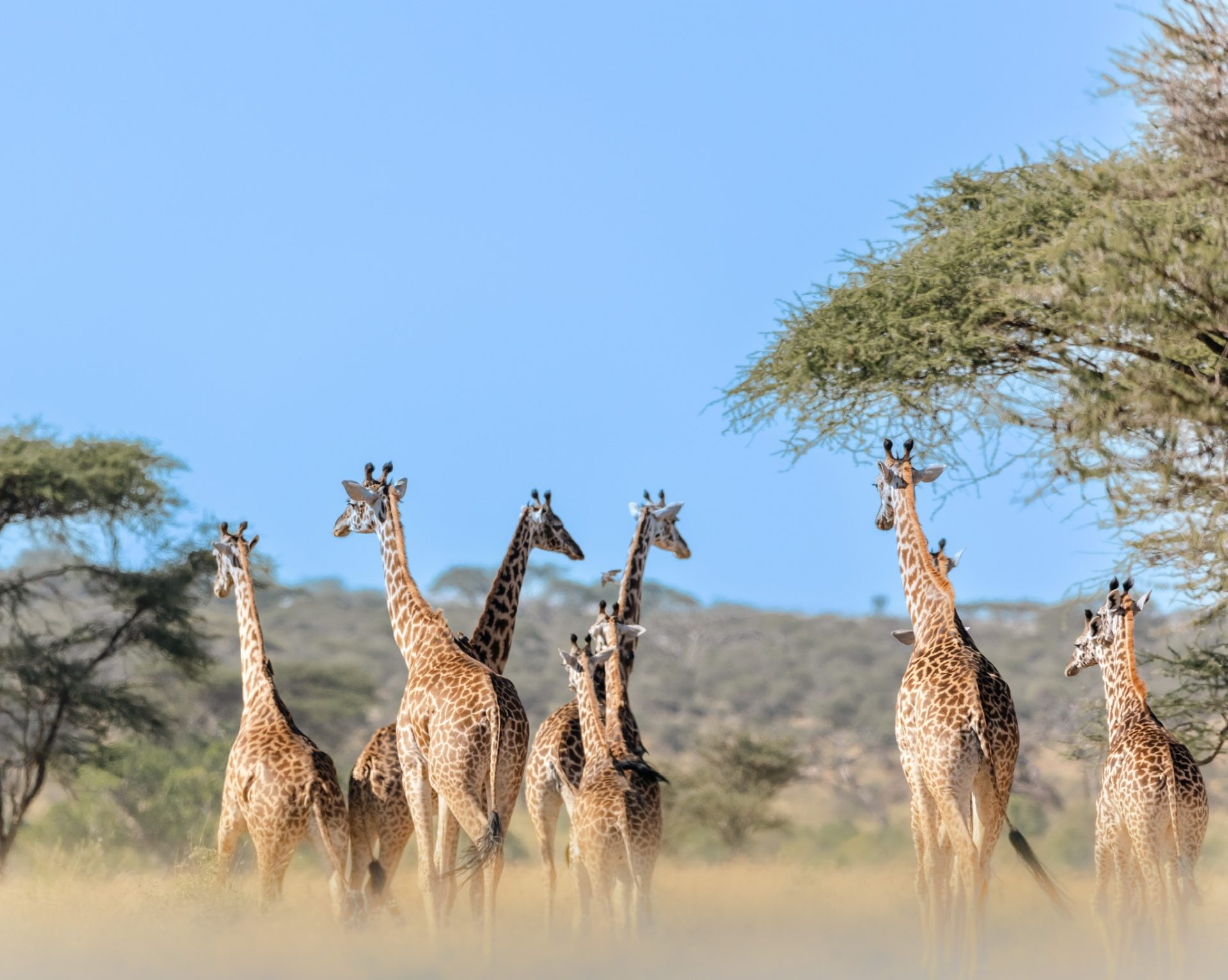
Horse riding under Meru - a two-hour ride through acacia country with resident zebra and giraffe, suitable for beginners and experienced riders.
Cooking class with a Tanzanian family - a half-day in a village home learning to prepare pilau, ugali, mchuzi and chapati from scratch.
Shanga glass-blowing workshop - a social enterprise employing people with disabilities to create beautiful glassware, jewellery and textiles. The tour is free; everything you buy funds the workshop.
Cultural Heritage Centre - Tanzania's largest gallery of Makonde carving, tanzanite jewellery and contemporary East African art. A relaxed 90-minute browse.
Mount Meru
Mount Meru (4,566 m) is Tanzania's second-highest peak and one of the finest single mountains in East Africa. A 3 or 4-day trek from Momella gate up through montane forest, giant heather and lava desert to the crater rim is superb in its own right and unbeatable as acclimatisation before Kilimanjaro.
Unlike Kilimanjaro, Meru is quiet - you will meet only a handful of other climbers on the whole route - and you sleep in wooden mountain huts rather than tents. Wildlife on the lower slopes includes buffalo, giraffe, colobus monkey and (rarely) leopard, and an armed park ranger accompanies every group.
Practical Arusha
Getting here. Kilimanjaro International Airport (JRO) is 45 minutes east; Arusha Airport (ARK) handles domestic bush flights and is 10 minutes from the town centre. Karis meets every guest at either airport as standard.
Where to stay. Legendary Lodge, Onsea House and Rivertrees Country Inn (all 15-25 minutes outside town, in coffee-plantation settings) are our default recommendations. In town, The Arusha Hotel and Gran Melia offer full-service urban stays.
Money & communication. USD cash (post-2013 notes) is widely accepted; ATMs at the airport and in town dispense Tanzanian shillings. Local SIM cards (Vodacom, Airtel) are $5 and give reliable data across the Northern Circuit.
Weather. Cool by East African standards - 25°C days, 12-15°C nights year-round, with two rainy seasons (short rains November, long rains March-May). A light fleece for evenings is always useful.
Best time and month-by-month weather
Year-round destination. June to October is dry, cool and clear (best Meru and Kilimanjaro views); December to February is warm and dry; March to May brings the long rains and lush green landscapes.
| Month | High | Low | Rain | In the field |
|---|---|---|---|---|
| January | 27°C | 14°C | 60 mm | Warm, mostly dry. Good time. |
| March-May | 24°C | 14°C | 150 mm | Long rains. Green season, fewer visitors. |
| July | 22°C | 11°C | 10 mm | Cool, dry, clear mountain views. |
| September | 24°C | 12°C | 10 mm | Peak dry season. Ideal. |
| November | 25°C | 14°C | 90 mm | Short rains, brief afternoon showers. |
Curated camps and lodges
Our default recommendation is a coffee-plantation lodge 15-25 minutes outside town, not a downtown hotel - quieter, greener, and better for jet lag.
Boutique country lodges in plantation settings.
- Legendary Lodge (Elewana) - Historic coffee-farm cottages, our top pick
- Onsea House - Belgian-run boutique lodge with Meru views
- Hatari Lodge - At the gate of Arusha National Park
Comfortable, well-run lodges with plantation gardens.
- Rivertrees Country Inn - Family-run, riverside gardens
- The African Tulip - Town-centre boutique hotel
Packing list for this destination
- Light fleece or jacket for cool evenings
- Walking shoes for waterfalls and forest walks
- Swimwear for Chemka hot springs
- Sun hat and sunscreen (equatorial altitude sun is fierce)
- Small daypack for day trips
Arusha - your questions, answered
Journeys that include Arusha
Local culture, shopping, Tanzanian cuisine and the history of Arusha in a single day.
One of Tanzania's few parks offering both walking and canoe safaris.
Waterfalls, coffee from bean to cup and a hot-spring swim beneath the fig trees.
Nature walks, waterfalls, campfire dinners and sunrise birdsong at Meru Eco Camp.
Let's plan your Arusha safari.
Every Karis journey is designed one traveller at a time by our Arusha-based team. Share a few details and a specialist will send a hand-crafted proposal within 24 hours.