
Tarangire National Park
2,850 square kilometres of baobab-studded valley holding the highest elephant density in northern Tanzania - and, in the dry months, one of the most under-visited great safaris in Africa.
- Size
- 2,850 km²
- Elephants
- 3,000+
- Baobabs
- Thousands
- Best months
- Jun-Oct
Guide to Tarangire National Park
Although relatively compact at approximately 330 square kilometres, Lake Manyara National Park offers remarkable ecological diversity. The park encompasses groundwater forests, acacia woodlands, open grasslands, hot springs, and the alkaline Lake Manyara itself, which attracts thousands of flamingos and other waterbirds during favourable conditions. The park is famous for its tree-climbing lions, large elephant populations, troops of baboons, and abundant birdlife, making it one of Tanzania's most scenic and varied safari destinations.
Tarangire is the quiet giant of the Northern Circuit. Overshadowed in guidebooks by the Serengeti and Ngorongoro, it holds the region's largest elephant population, the most spectacular baobab forests in East Africa, and - in the June to October dry season - a wildlife concentration that rivals the crater itself.
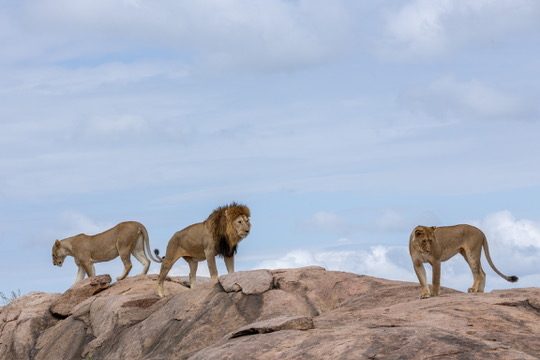
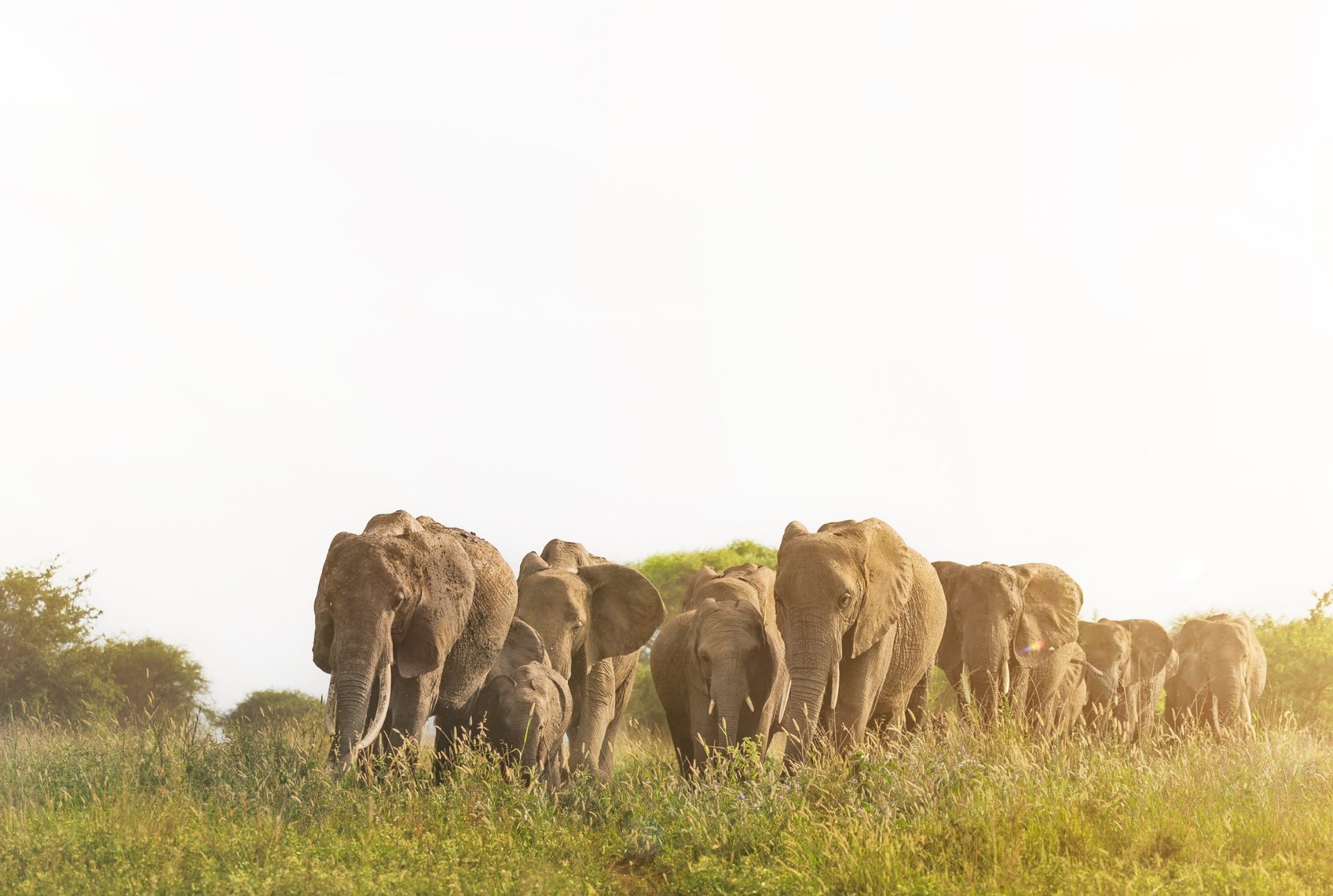
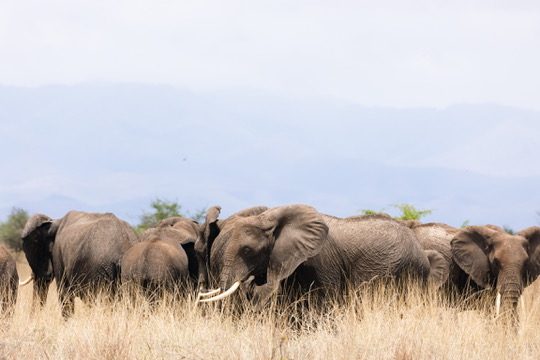
The Tarangire river is the reason. As the surrounding Maasai Steppe dries out from June onwards, wildlife from a vast 20,000 square kilometre ecosystem funnels into the park to drink. Herds of 300 elephants come down to the river in the late afternoon, prides of lion follow the buffalo, and the park's famous Silale swamps hold everything from waterbuck and reedbuck to the localised gerenuk and fringe-eared oryx.
Why visit Tarangire
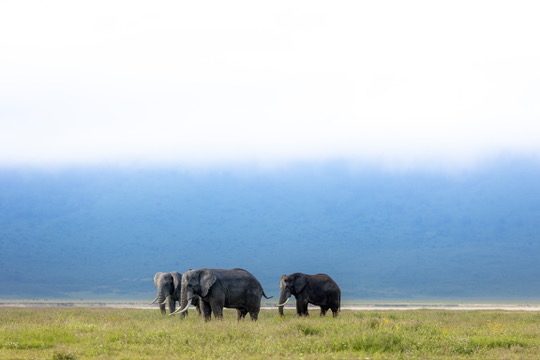
Three reasons. First, elephants: Tarangire holds approximately 3,000, in matriarchal herds regularly numbering 60 to 150 individuals - the largest bull tuskers in Tanzania walk these plains. Second, landscape: the baobab-studded valleys of Tarangire are genuinely unique in East Africa and give the park an atmosphere completely different from the Serengeti's open grasslands. Third, seasonality: from June to October the park delivers wildlife densities that surprise even repeat East Africa travellers, and yet vehicle numbers remain a fraction of Ngorongoro's.
Tarangire is also the smart open to a Northern Circuit driving itinerary - two hours from Arusha, with a game-drive first day that puts guests immediately into the safari mindset before the deeper wilderness of the Serengeti.
Geography and ecology
The park runs 100 kilometres north-south along the Tarangire river, from open acacia woodland in the north through the swampy Silale, Larmakau and Gursi wetlands in the south. The wider Tarangire ecosystem extends well beyond the park boundary into the Simanjiro plains to the east and Manyara Ranch to the north - critical wet-season dispersal areas that hold no protected status and remain under grazing pressure.
Tarangire is home to one of the oldest baobab (Adansonia digitata) populations on the continent, some individuals estimated at over 1,000 years old. Baobab is a keystone tree - elephants strip its bark for water in the dry season, hornbills nest in its hollows, and its fruit feeds baboons, monkeys and humans alike.
Wildlife and the dry-season concentration
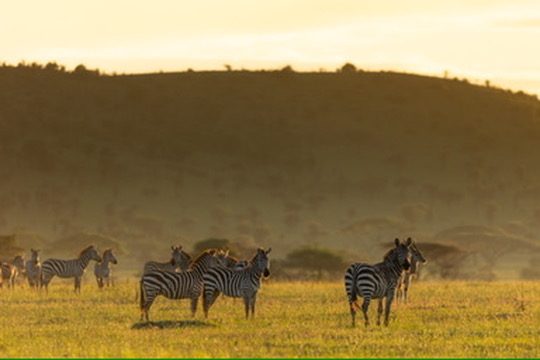
In the dry season (roughly June through late October), Tarangire holds the highest concentration of migratory ungulates on the Northern Circuit outside the Serengeti migration itself. Wildebeest, zebra, eland, buffalo and hartebeest funnel toward the Tarangire river and the Silale swamps. Elephant numbers peak. Lion prides establish themselves along the river.
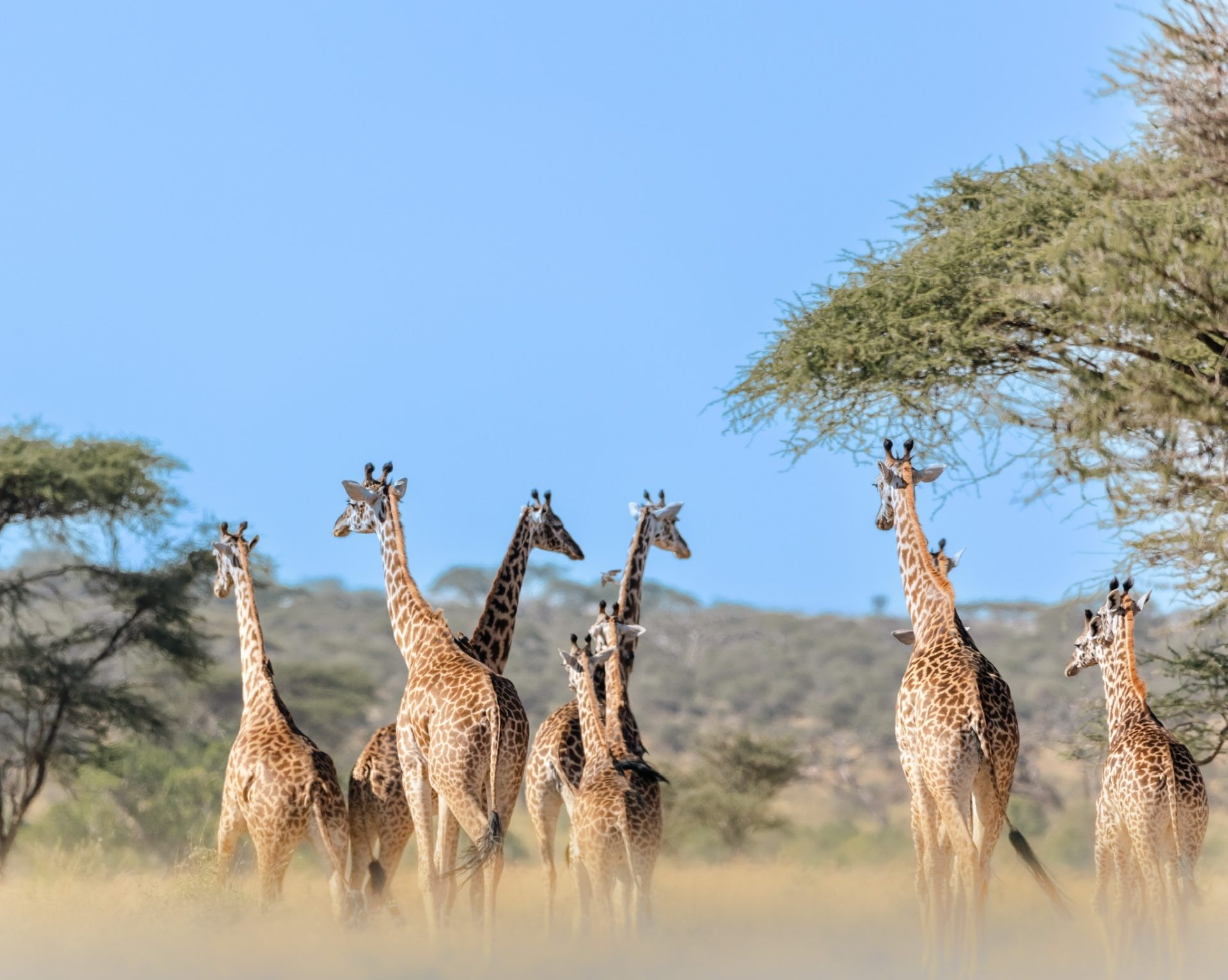
In the wet season (November to May) the same wildlife disperses across the wider ecosystem, and the park quietens down considerably. Even so, Tarangire's resident wildlife - including large populations of impala, giraffe, warthog, waterbuck, and the localised lesser kudu, fringe-eared oryx and gerenuk - reward a visit in any month.
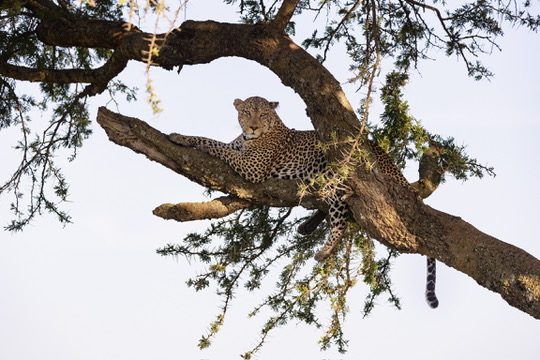
Tarangire is also the best park in northern Tanzania for tree-climbing pythons and one of only a few places in the country where you have a realistic chance of seeing wild dog on the Silale plains.
Safari activities
Standard game drives on the network of tracks north and south of the Tarangire river are the core activity. Walking safaris and night drives are permitted in the private concessions along the eastern boundary (Randilen, Lolkisale) - a compelling reason to base at least one night at a concession camp such as Chem Chem, Sanctuary Swala or Little Chem Chem.
Cultural visits to Barabaig and Maasai communities on the Simanjiro plains are among the most authentic in the region and are typically arranged through Chem Chem or via our vetted community partners.
Balloon safaris launched in 2022 from Kikoti and now run from June through October over the northern park - a shorter and less expensive flight than the Serengeti's, and often with better close-up baobab and elephant photography.
Photography
Tarangire is a landscape photographer's park as much as a wildlife photographer's - the baobabs, the golden dry-season grass, and the low winter sun combine to give the park a Sonoran-desert palette that photographs beautifully. Late afternoon on the river, with dust and elephants against a low sun, is one of the great shots on the Northern Circuit.
Birding
Tarangire hosts approximately 550 bird species including yellow-collared lovebird, ashy starling, rufous-tailed weaver (all near-endemic to central Tanzania), and enormous flocks of red-and-yellow barbet in the acacia. The Silale swamps hold saddle-billed stork, yellow-billed stork, African skimmer and the localised Basra reed warbler in the northern winter.
Getting there
Tarangire is 2 hours by road from Arusha via a good tarmac highway - the shortest transfer of any Northern Circuit park. Kuro Airstrip inside the park is served by scheduled flights from Arusha and (seasonally) direct from the Serengeti and Zanzibar. Most Karis Northern Circuit itineraries drive to Tarangire and use it as the first safari overnight.
Travel tips
Visit in the dry season if possible. June-October is when Tarangire is at its best. In the wet season we often skip it in favour of Manyara or an extra Serengeti night.
Base south for the swamps. If elephants and predators matter most, base at Oliver's Camp or Sanctuary Swala in the Silale area rather than in the northern acacia zone.
Combine with a private concession. The southern and eastern private concessions unlock walking safaris and night drives that the main park does not permit.
Best time and month-by-month weather
Tarangire is a strongly seasonal park. The dry months from June to October concentrate wildlife spectacularly; the wet months from November to May scatter it across the wider ecosystem.
| Month | High | Low | Rain | In the field |
|---|---|---|---|---|
| January | 29°C | 17°C | 60 mm | Green, quiet, birding excellent. |
| February | 30°C | 17°C | 70 mm | Wildlife dispersed. Beautiful landscapes. |
| March | 30°C | 18°C | 130 mm | Long rains starting; some road difficulty. |
| April | 28°C | 17°C | 180 mm | Wettest month. Not our first recommendation. |
| May | 27°C | 16°C | 80 mm | Rains easing; wildlife starting to return to river. |
| June | 26°C | 14°C | 10 mm | Dry season begins. Concentrations building. |
| July | 26°C | 13°C | 5 mm | Excellent. Cool mornings, dust-free light. |
| August | 27°C | 13°C | 5 mm | Peak dry-season wildlife concentration. |
| September | 28°C | 14°C | 10 mm | Best month in our view. Warm, dry, dense. |
| October | 30°C | 16°C | 35 mm | Dust and light peak. Elephant numbers peak. |
| November | 29°C | 17°C | 100 mm | Short rains. Wildlife starting to disperse. |
| December | 29°C | 17°C | 80 mm | Quiet, green, festive season demand at camps. |
Curated camps and lodges
A shortlist across the private concessions and inside the park, from luxury to solid midrange.
Concession properties with walking, night drives and exclusive-use vehicles.
- Chem Chem Lodge - Between Manyara and Tarangire; private concession, elegant
- Sanctuary Swala - Silale swamps; refined tented, superb game area
- Little Chem Chem - Tented sibling of Chem Chem; more intimate
- Oliver's Camp (Asilia) - Deep south of park; walking safaris, wild
Reliable ensuite options with good guiding.
- Tarangire Safari Lodge - Panoramic escarpment views over park; original charm
- Sanctuary Kirurumu Manyara Lodge - Between Manyara and Tarangire, useful base
- Maramboi Tented Camp - Between Manyara and Tarangire, giraffe grazing at camp
Packing list for this destination
- Neutral clothing; warm layer for early mornings in June-August
- Buff or scarf for dust on late-afternoon river drives
- Camera with wide-angle for baobab landscapes and telephoto for elephants
- Binoculars - the Silale birding is world-class
Tarangire National Park - your questions, answered
Let's plan your Tarangire National Park safari.
Every Karis journey is designed one traveller at a time by our Arusha-based team. Share a few details and a specialist will send a hand-crafted proposal within 24 hours.