
Lake Manyara National Park
A slim green ribbon at the base of the Great Rift Valley escarpment - groundwater forest, alkaline lake, tree-climbing lions and one of Tanzania's most compact wildlife experiences.
- Size
- 330 km²
- Elevation
- 960 m
- Feature
- Rift escarpment
- Best months
- Jul-Oct
Guide to Lake Manyara National Park
Lake Manyara is small - just 330 square kilometres, two-thirds of it covered by the shallow alkaline lake itself - but the park packs an extraordinary variety of habitat into that space. In a single half-day drive you move from groundwater forest fed by springs at the base of the escarpment, through acacia woodland and open floodplain, out to the salt flats where flamingos wade in their thousands, and back beneath the 500-metre Rift Valley wall.
For most Northern Circuit itineraries, Manyara is a half-day rather than an overnight - typically driven en route between Tarangire and the Ngorongoro Crater. But guests who overnight at Manyara Ranch or on the escarpment above the park unlock some of the most memorable dawn game drives in the region.
Why visit Lake Manyara
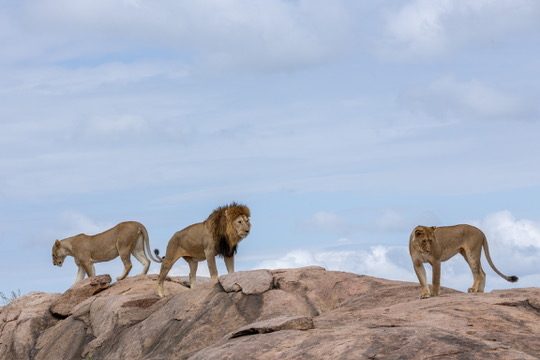
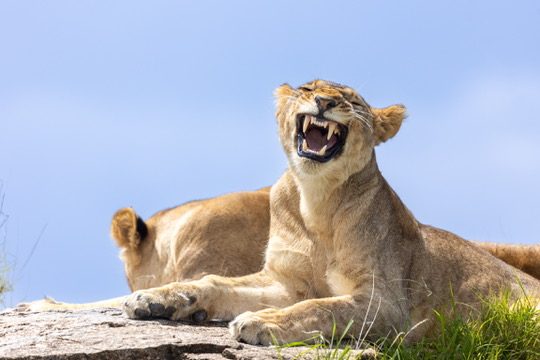
Manyara's calling card is its tree-climbing lions - a habit unique to a handful of prides in East Africa (Manyara and Queen Elizabeth in Uganda are the two reliable places). Sightings are not daily, but the Manyara pride does spend hours draped in the acacia canopy along the Ndala river, and a patient morning drive gives you a genuine chance.
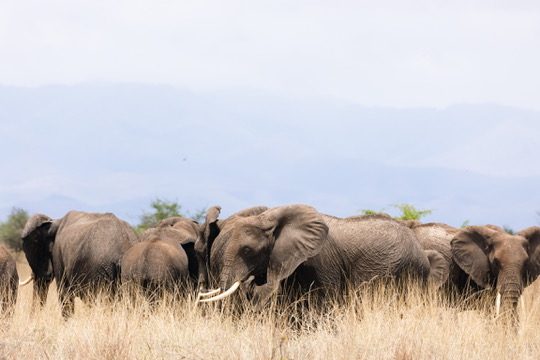
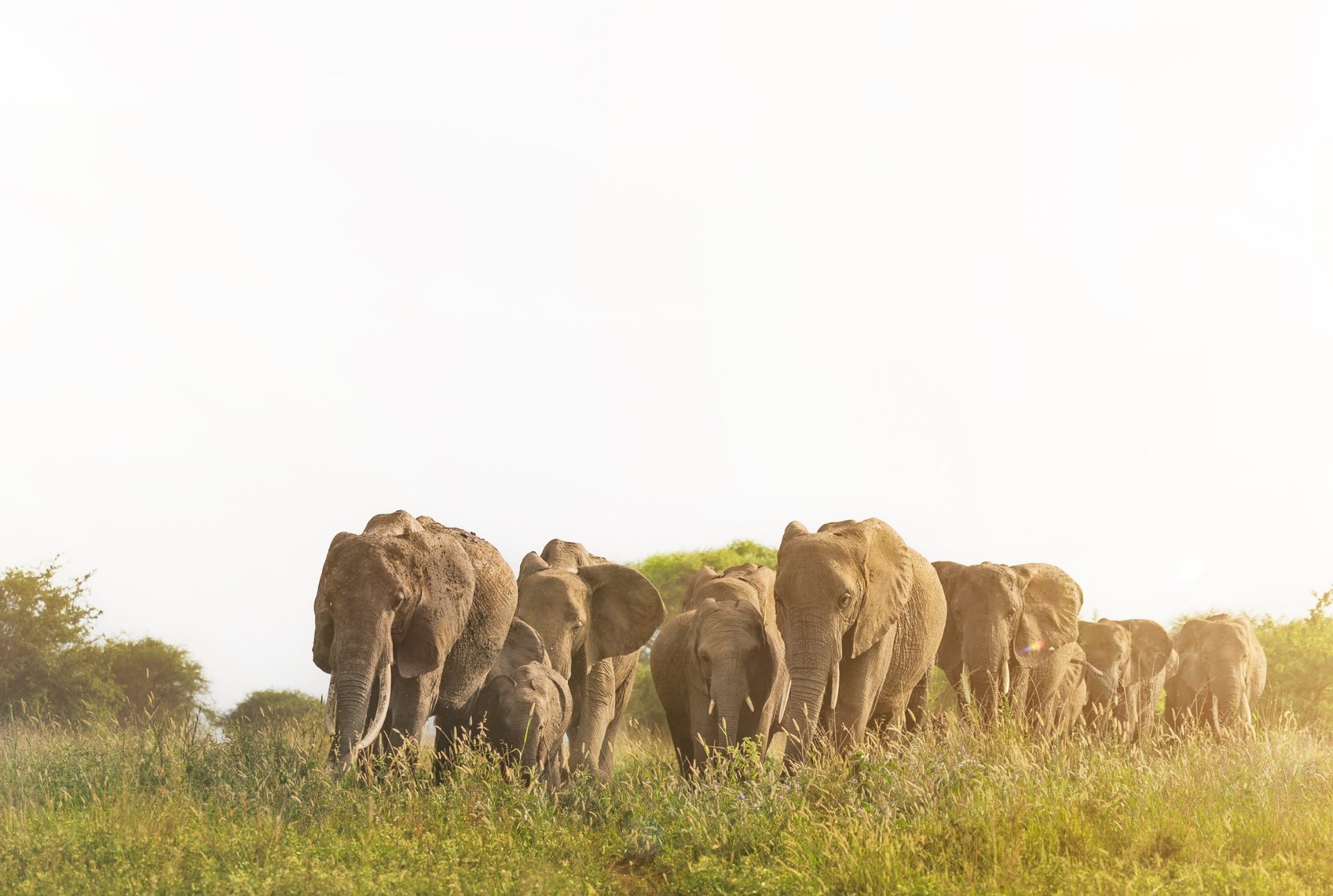
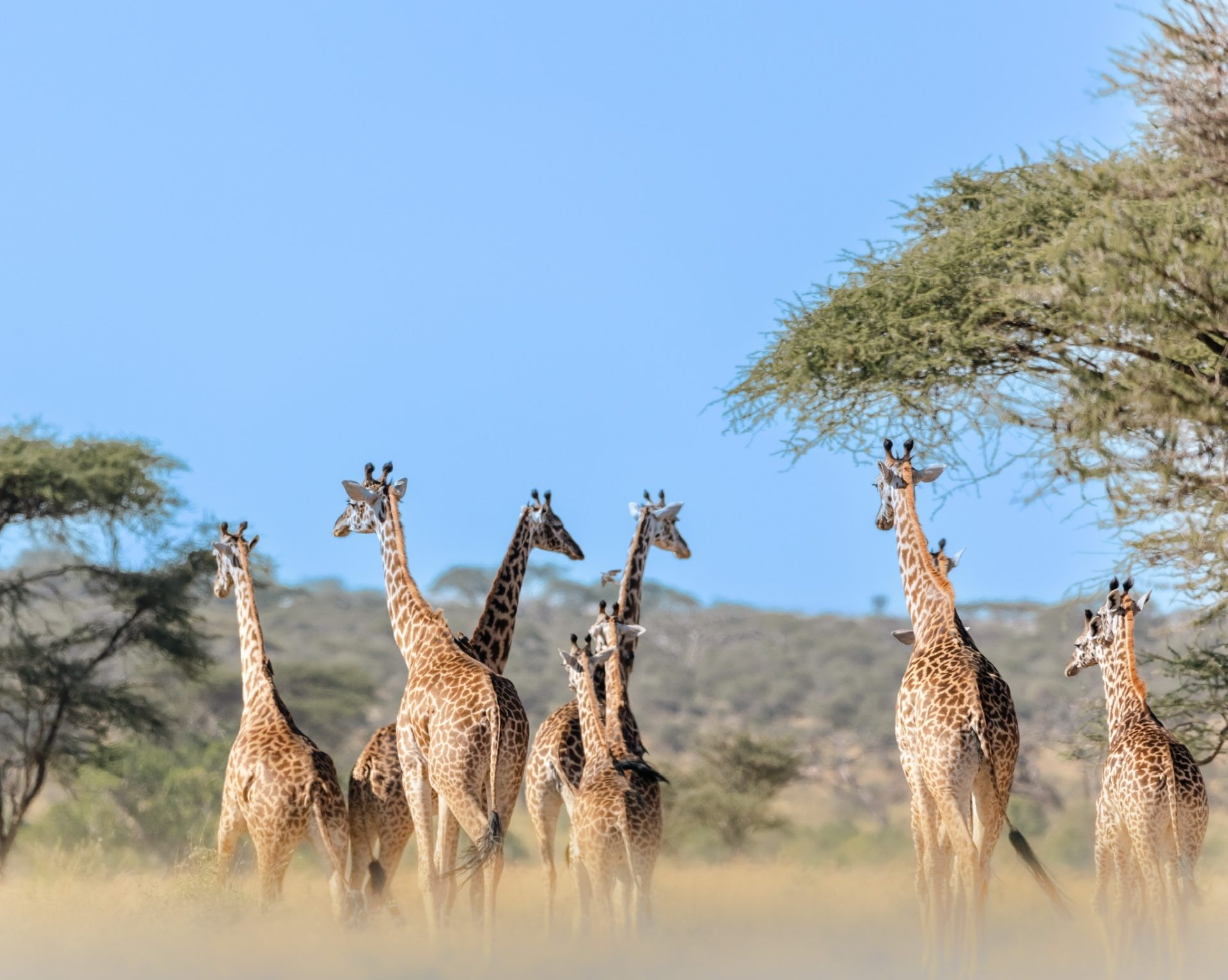
Beyond the lions, Manyara offers a dense elephant population moving through the groundwater forest, huge troops of baboon (the park is a long-running research site for baboon behaviour), pods of hippo in the Simba river hippo pools, and flamingos on the lake shore in numbers that occasionally reach the low millions.
Geography
The park runs along the western shore of Lake Manyara, a shallow alkaline soda lake formed by drainage from the surrounding Rift walls. Groundwater springs at the base of the escarpment support a rare closed-canopy forest - one of only a handful in East Africa - which is why elephant, giraffe and baboon concentrate in the northern third of the park.
The Rift Valley escarpment rises dramatically to the west, reaching over 500 metres above the park floor. Some of the finest views on the Northern Circuit are from lodges perched on the escarpment above Manyara looking east toward the lake at sunrise.
Wildlife
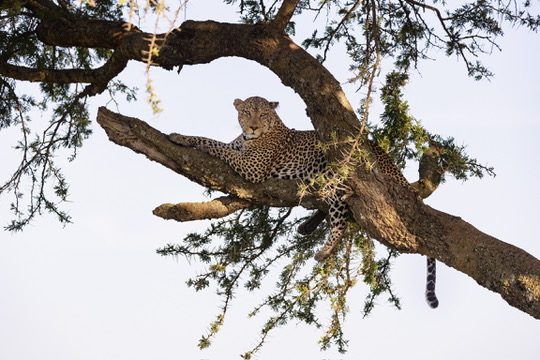
Elephant, baboon, blue monkey, vervet, waterbuck, impala, giraffe, hippo, buffalo, lion and leopard are all resident. Rhino was reintroduced in a partnership project in the wider ecosystem but sightings remain rare. Over 400 bird species have been recorded, including large populations of lesser and greater flamingo, pelicans, storks and the localised silvery-cheeked hornbill.
Activities
Standard game drives on the park's road network are the core activity. Night game drives and walking safaris are permitted inside Manyara (unusually for a Tanzanian national park), typically starting from the Msasa Camp area near the northern entrance.
Canopy walk. The Lake Manyara Treetop Walkway - opened in 2016 - suspends a 370-metre boardwalk 18 metres above the groundwater forest floor. It's a good family activity and a genuine perspective shift on the forest.
Mto wa Mbu cultural tour. The small town at Manyara's gate is home to 120 different Tanzanian ethnic groups drawn by the fertile springs; a guided walk through the banana plantations, rice paddies and Chagga banana-beer breweries is one of the more educational half-days on the Northern Circuit.
Getting there
Manyara is 2 hours by road from Arusha, and 1 hour from the Ngorongoro Crater rim. Lake Manyara Airstrip (LKY) serves scheduled flights from Arusha and (seasonally) direct from the Serengeti.
Travel tips
Half-day is enough for most. Manyara rewards a focused morning drive; a full day is only necessary if you specifically want to see the tree-climbing lions and are willing to invest the time.
Stay on the escarpment. Lodges above the park (Escarpment Luxury Lodge, Lake Manyara Serena) give you the view; camps in the park give you dawn access. For most itineraries the view wins.
Best time and month-by-month weather
Manyara is a year-round park. Dry months (June-October) concentrate wildlife around the lake; wet months bring the flamingos but scatter the mammals.
| Month | High | Low | Rain | In the field |
|---|---|---|---|---|
| January | 30°C | 17°C | 80 mm | Warm, green. Baby animals in the forest. |
| February | 31°C | 17°C | 70 mm | Similar; good for birding. |
| March | 31°C | 18°C | 150 mm | Long rains beginning; forest lush. |
| April | 29°C | 17°C | 220 mm | Wettest; some access impacts. |
| May | 27°C | 16°C | 120 mm | Rains ending; landscape at its greenest. |
| June | 26°C | 14°C | 20 mm | Dry season starts; excellent. |
| July | 26°C | 13°C | 10 mm | Cool, dry; good sightings. |
| August | 27°C | 13°C | 10 mm | Peak dry season. |
| September | 29°C | 14°C | 15 mm | Wildlife concentrated near water. |
| October | 30°C | 16°C | 40 mm | Warm, dusty, dense wildlife. |
| November | 30°C | 17°C | 120 mm | Short rains. Flamingos returning. |
| December | 30°C | 17°C | 90 mm | Green, quieter, festive demand. |
Curated camps and lodges
Escarpment lodges for views, in-park camps for early access, Karatu-based lodges for a warmer night.
The best-in-class options on and above the escarpment.
- Lake Manyara Tree Lodge (andBeyond) - The only lodge inside the park; treehouse-style suites
- Escarpment Luxury Lodge - Above Karatu; magnificent Rift Valley views
- Chem Chem Lodge - Between Manyara and Tarangire; concession
Comfortable, reliable options with good access.
- Lake Manyara Serena - Escarpment above the park; classic Serena standards
- Kirurumu Manyara Lodge - Tented, panoramic escarpment views
- Migombani Campsite - For safari-tent glamping travellers; superb views
Packing list for this destination
- Insect repellent - the groundwater forest has mosquitoes year-round
- Waterproof layer in April-May
- Binoculars for birding on the lake shore
Lake Manyara National Park - your questions, answered
Nearby destinations
Let's plan your Lake Manyara National Park safari.
Every Karis journey is designed one traveller at a time by our Arusha-based team. Share a few details and a specialist will send a hand-crafted proposal within 24 hours.