
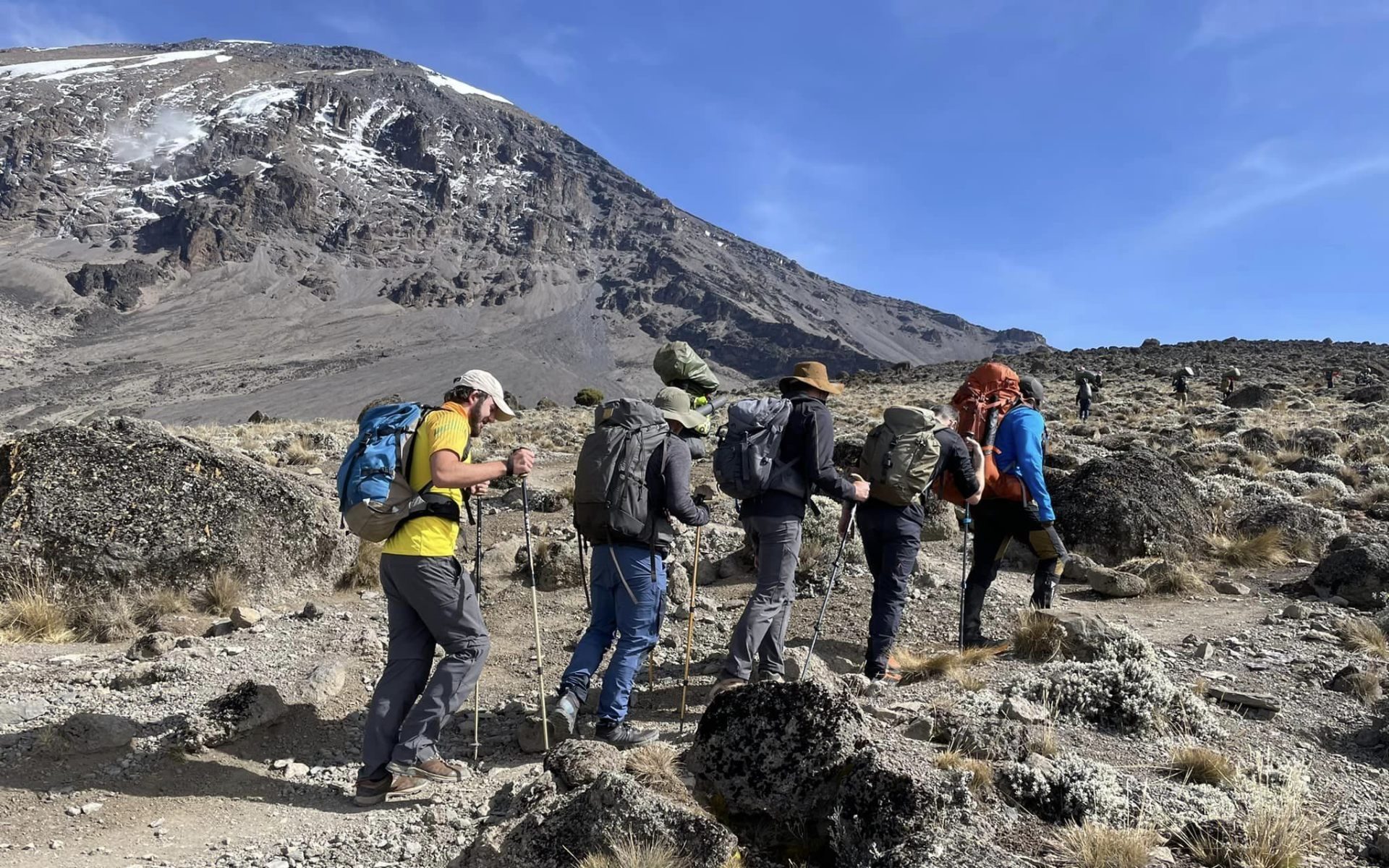
Mahale Mountains National Park
A steep chain of forested mountains falling directly into Lake Tanganyika - home to one of the world's largest and most-studied populations of wild chimpanzees.
- Size
- 1,613 km²
- Chimpanzees
- ~1,000 wild
- Habituated group
- Mimikire (M-group)
- Best months
- Jul-Oct
Guide to Mahale Mountains National Park
Mahale is the finest chimpanzee trekking in East Africa and one of the great remote wilderness experiences on the continent. The Mimikire community - habituated by Japanese primatologists starting in 1965 and studied continuously ever since - numbers around 60 individuals, and daily encounters last approximately one hour in the forest under the direction of park rangers.
The setting is extraordinary. Mahale's mountains rise directly out of Lake Tanganyika, the world's second-deepest freshwater lake, and the park's beach is composed of white quartz sand fringed by tropical forest. Camps are reachable only by dhow from the airstrip - there are no roads inside the park.
Why visit Mahale
For the chimpanzees, and for the isolation. Mahale is the most remote safari destination in Tanzania - two scheduled flights per week connect Arusha to Mahale via Kigoma, and even then most guests charter. Once you arrive, the park's combination of primates, rainforest, and freshwater beach delivers an experience unlike anywhere else on the country's classic safari circuits.
Wildlife
The Mimikire (M-group) is the only habituated community, with tracking on foot by park rangers who locate them via radio-collared individuals. Beyond the chimps, Mahale holds red colobus, red-tailed monkey, blue monkey, yellow baboon, giant forest squirrel, bushpig and duiker. Leopard is present but rarely seen. The lake holds over 250 endemic cichlid species and offers exceptional snorkelling from the beach.
Activities
Chimpanzee trekking with park rangers. Treks range from 1 hour to 5+ hours depending on the community's daily location - the M-group ranges over about 25 square kilometres.
Snorkelling the reef in front of camp - Lake Tanganyika holds one of the world's most diverse freshwater fish populations.
Kayaking, fishing (catch-and-release), forest walks, dhow sunset cruises are all standard from the two operating camps.
Getting there
Fly-in only. Safari Air Link operates scheduled charters from Arusha (via Katavi) 2-3 times per week in season, with a total flight time of approximately 4.5 hours. From the airstrip, a 30-minute dhow transfer to Greystoke or Nomad's Mahale Mountains.
Travel tips
Book well ahead. Only two camps operate (Greystoke Mahale and Nomad Mahale Mountains), together taking about 25 guests at a time. 12+ months lead time is normal.
Stay four nights minimum. Chimpanzee tracking is weather- and community-dependent; four nights gives you three reliable tracking days.
Combine with Katavi. The classic Western Circuit is Katavi + Mahale, 6-7 nights, flying between the two.
Best time and month-by-month weather
Mahale operates May to March, with peak season July-October when the chimpanzees are lower down the mountain and easier to locate. April through mid-May is closed for the long rains.
| Month | High | Low | Rain | In the field |
|---|---|---|---|---|
| January | 27°C | 20°C | 150 mm | Green season, chimps often high on mountain. |
| February | 27°C | 20°C | 140 mm | Similar; workable. |
| March | 27°C | 20°C | 180 mm | Late green season, wet. |
| April | 26°C | 19°C | 220 mm | Closed. |
| May | 26°C | 18°C | 100 mm | Reopening late month. |
| June | 26°C | 16°C | 10 mm | Dry season begins; chimps descending. |
| July | 26°C | 15°C | 5 mm | Excellent tracking conditions. |
| August | 27°C | 15°C | 5 mm | Peak season; reliable tracking. |
| September | 28°C | 16°C | 10 mm | Best month; chimps low, weather perfect. |
| October | 29°C | 17°C | 40 mm | Warming; tracking still excellent. |
| November | 28°C | 19°C | 100 mm | First rains; chimps ranging higher. |
| December | 27°C | 20°C | 140 mm | Green, festive demand. |
Curated camps and lodges
Only two camps operate. Both are exceptional and complement each other in style.
Both camps sit at the top of the East African luxury tier.
- Greystoke Mahale (Nomad) - 6 open-fronted bandas of driftwood on the beach; iconic
- Mbali Mbali Mahale - 8 tented rooms; more affordable, similar beach setting
Packing list for this destination
- Sturdy hiking shoes with grip - trails can be steep and slippery
- Long trousers and long-sleeved shirt for the forest
- Rain jacket year-round; light layer for evenings
- Face mask (chimpanzee tracking requires one for their protection)
- Swimwear and reef shoes for the lake
- Small daypack, water bottle, camera with wide-zoom (no flash allowed with chimps)
Mahale Mountains National Park - your questions, answered
Nearby destinations
Let's plan your Mahale Mountains National Park safari.
Every Karis journey is designed one traveller at a time by our Arusha-based team. Share a few details and a specialist will send a hand-crafted proposal within 24 hours.