Katavi National Park
4,471 square kilometres of miombo, floodplain and seasonal river - Tanzania's third-largest national park, and its least visited.
- Size
- 4,471 km²
- Buffalo herds
- 1,000-4,000
- Vehicles
- <10 in park
- Best months
- Aug-Oct
Guide to Katavi National Park
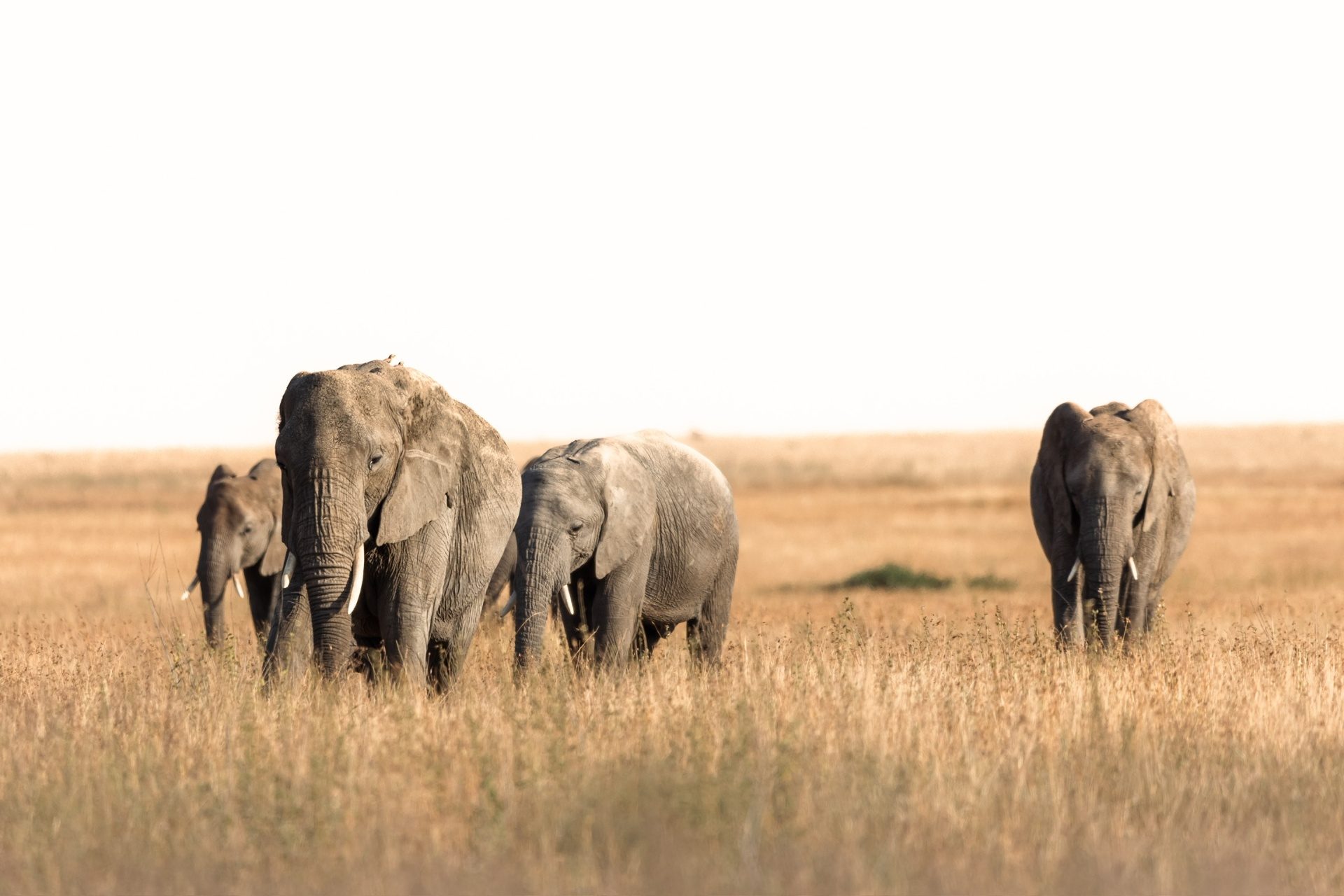
Katavi is the wildest classical safari left in Tanzania. Fewer than 1,000 tourists visit the park each year - a figure the Serengeti reaches before mid-morning on a peak-season day. The reward is buffalo herds numbering 2,000 to 4,000 animals, hippo concentrations that in the dry season reach 500 individuals in a single pool, and full-day drives without seeing another vehicle.
Why visit Katavi
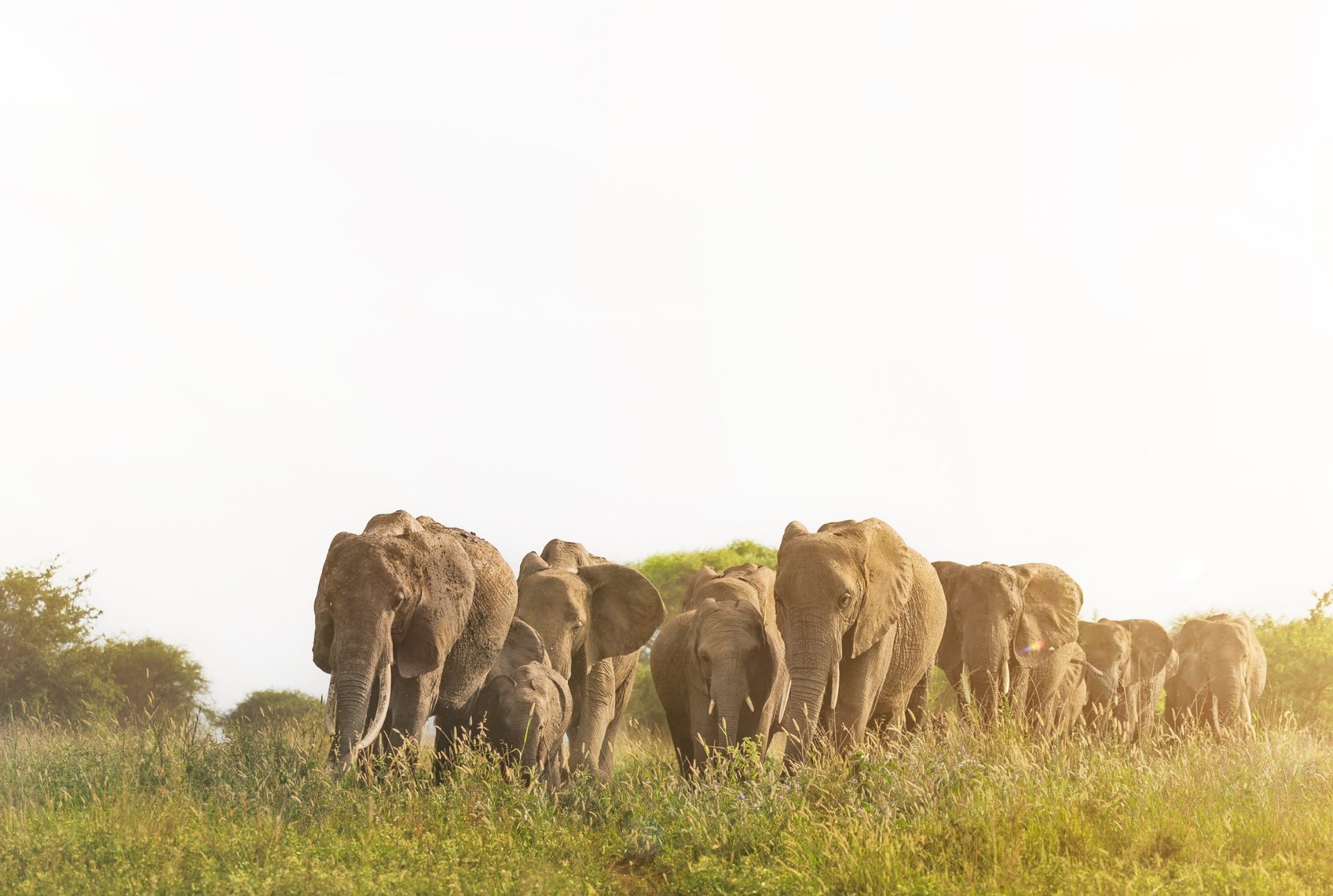
For the dry-season concentration and the solitude. In August and September, the Katuma river shrinks to a series of muddy pools that hold every hippo, crocodile and thirsty ungulate for kilometres in either direction. Buffalo herds of the low thousands cross the Katisunga floodplain, followed by prides of lion. Katavi's elephant population, though smaller than Ruaha's, includes exceptional old bulls.
Wildlife
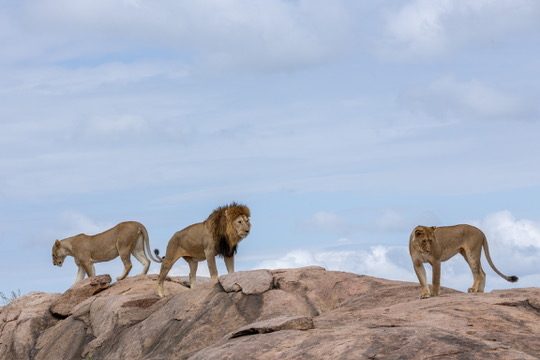
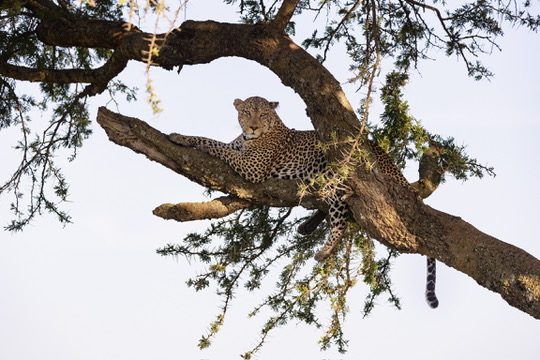
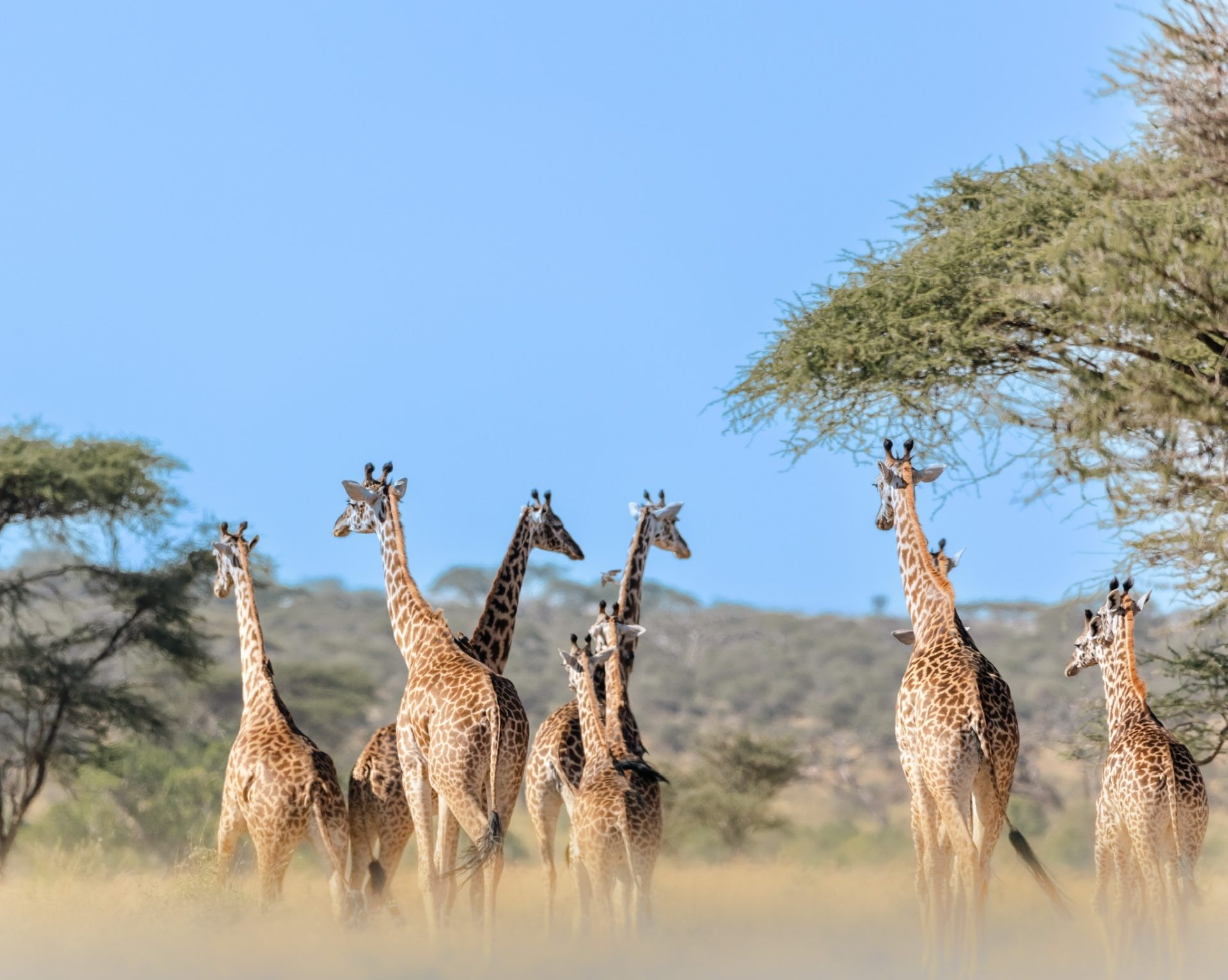
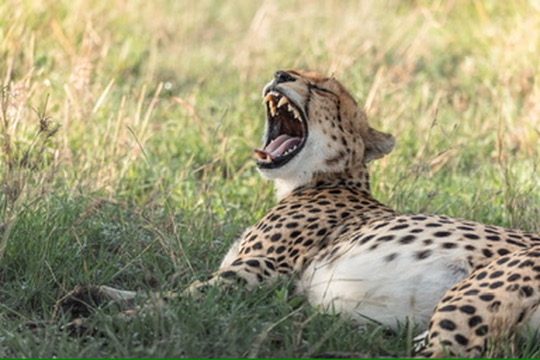
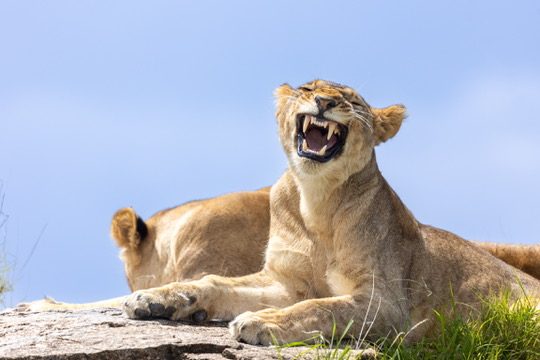
Lion, leopard, hyena and hunting dog are all resident. Rhino is effectively absent. Katavi holds one of Tanzania's largest buffalo populations (in the tens of thousands across the wider ecosystem), plus elephant, hippo, crocodile, sable and roan antelope, eland, hartebeest, topi and zebra.
Activities
Standard game drives, walking safaris (with an armed ranger), and fly-camping on the Katisunga floodplain. Night drives are permitted from the private concession outside the park boundary.
Getting there
Fly-in only via Safari Air Link's scheduled service from Arusha (typically Monday, Wednesday, Saturday), 3-4 hours flying time. Most itineraries pair Katavi with Mahale via a 45-minute connecting flight.
Best time and month-by-month weather
Katavi operates June through October. Outside those months the park is largely inaccessible and camps are closed.
| Month | High | Low | Rain | In the field |
|---|---|---|---|---|
| June | 27°C | 15°C | 5 mm | Season opens; wildlife concentrating. |
| July | 28°C | 14°C | 0 mm | Excellent; cool mornings. |
| August | 30°C | 16°C | 5 mm | Peak buffalo concentration. |
| September | 32°C | 18°C | 10 mm | Best month. Hippo pools spectacular. |
| October | 33°C | 20°C | 30 mm | Hot but intense wildlife. |
| November | 32°C | 21°C | 100 mm | Season closing. Camps shut end month. |
Curated camps and lodges
Two seasonal luxury camps operate. Both are outstanding.
Owner-managed seasonal camps for the discerning wilderness traveller.
- Chada Katavi (Nomad) - 6 classic canvas tents on the edge of the Chada plain
- Mbali Mbali Katavi - 8 en-suite tents; more comfort-oriented
Packing list for this destination
- Warm layer for June-August mornings
- Long trousers, closed shoes for walking safaris
- Malaria prophylaxis is essential
Katavi National Park - your questions, answered
Nearby destinations
Let's plan your Katavi National Park safari.
Every Karis journey is designed one traveller at a time by our Arusha-based team. Share a few details and a specialist will send a hand-crafted proposal within 24 hours.