Day 1
Day 1
Arusha to Central Serengeti
Arusha to Central Serengeti, afternoon game drive and overnight in Central Serengeti.
Overnight in lodge / campD

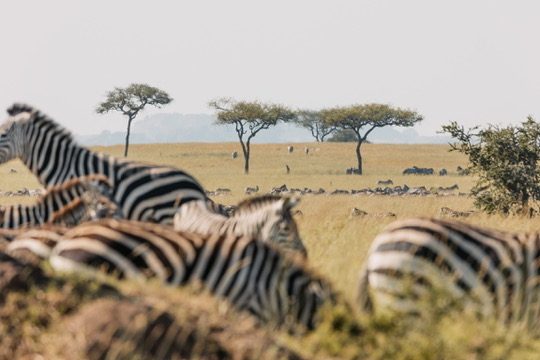
Witness one of the world's greatest natural spectacles as over two million wildebeest, zebras, and gazelles journey across the Serengeti ecosystem in search of fresh grazing. Your safari follows the migration's seasonal movements, maximizing your chances of unforgettable wildlife encounters while exploring some of Northern Tanzania's most iconic landscapes.
Witness one of the world's greatest natural spectacles as over two million wildebeest, zebras, and gazelles journey across the Serengeti ecosystem in search of fresh grazing. Your safari follows the migration's seasonal movements, maximizing your chances of unforgettable wildlife encounters while exploring some of Northern Tanzania's most iconic landscapes.
Dramatic Mara River crossings
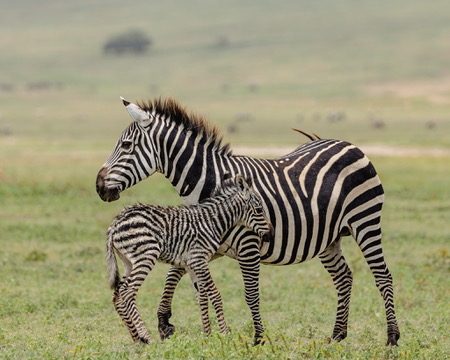
Massive herds of wildebeest and zebra
Crocodile encounters
Big cats following the migration
Spectacular landscapes and photography
Combines Central Serengeti, Northern Serengeti and Ngorongoro in a single, well-paced itinerary.
Timed to intercept the herds at the right latitude for your dates, with mobile camps that move with the migration rather than fixed lodges hours away.
6 days is enough to see the core Northern Circuit without rushing between camps. We favour longer stays in fewer camps over a checklist mentality.
Guests who value owner-run camps, senior guides, superb food and a light footprint over hotel-brand safaris.
Photographers and repeat safari-goers who want to be in the right patch of Serengeti at the right week of the year.
Arusha to Central Serengeti, afternoon game drive and overnight in Central Serengeti.
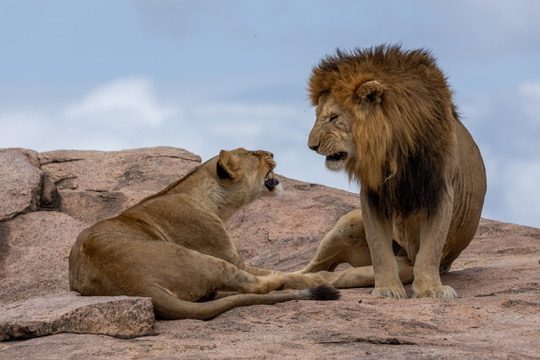
Morning game drive, then continue north through the Serengeti. Overnight in Northern Serengeti.
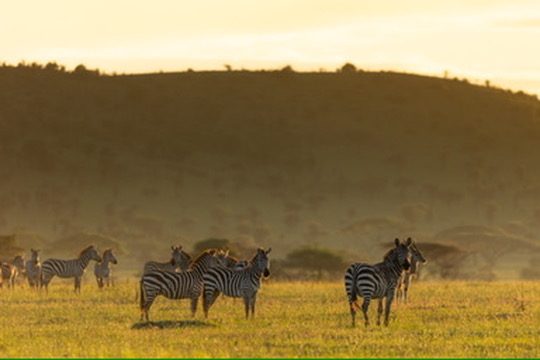
Full-day game drive along the Mara River, waiting patiently at crossing points for wildebeest herds to make the crossing. Overnight in Northern Serengeti.
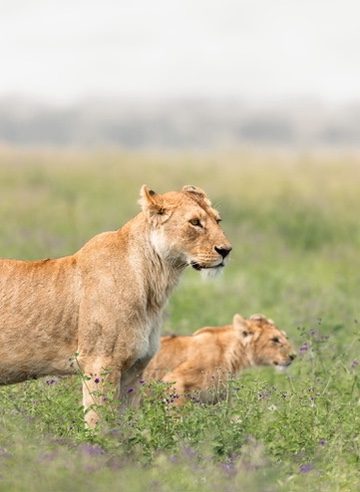
Another full day in Northern Serengeti exploring different sections of the Mara River, with the opportunity to witness multiple crossings if conditions are favorable. Overnight in Northern Serengeti.
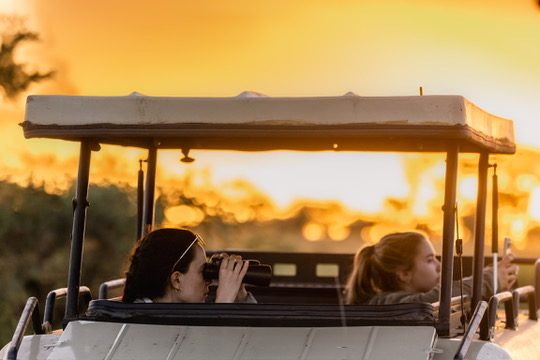
Morning game drive, then return to the Ngorongoro Highlands. Overnight near the crater.
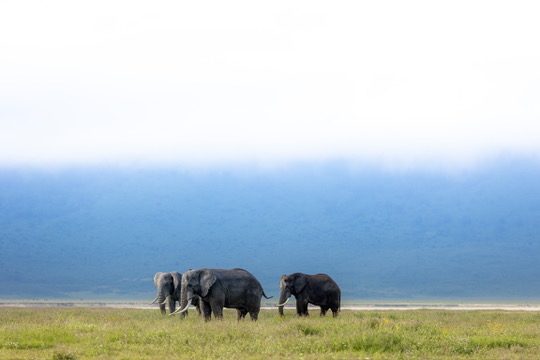
Ngorongoro Crater game drive, then return to Arusha.
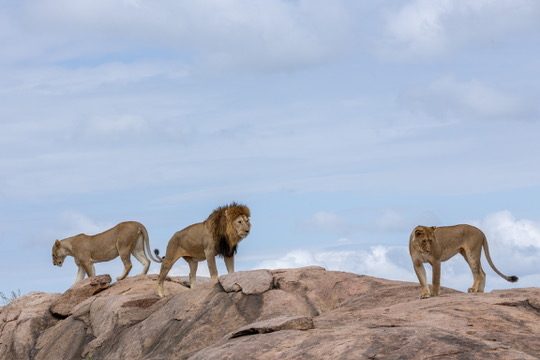
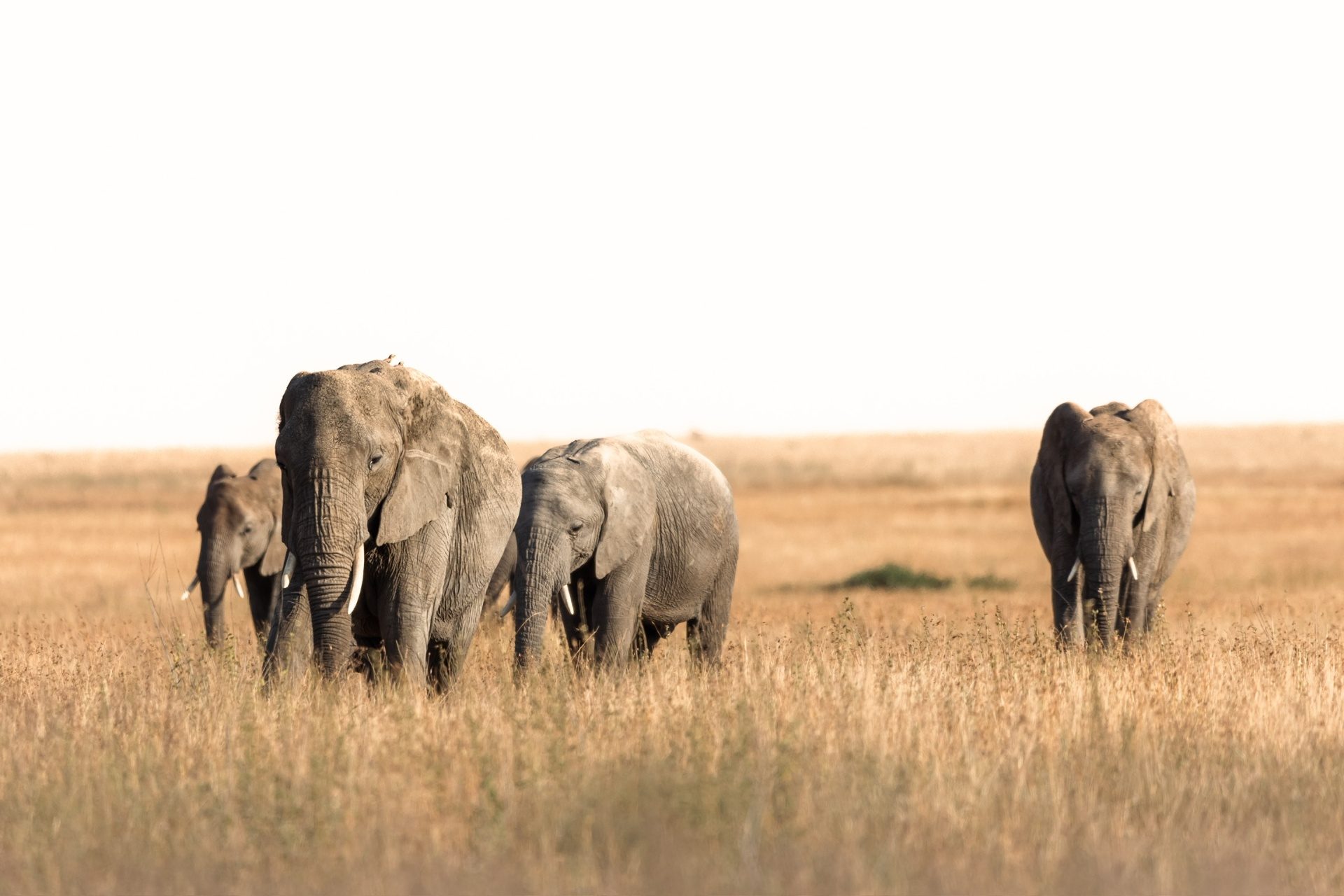
Resident prides of lion on the kopjes, coalitions of cheetah on the short-grass plains, elephant families in the woodlands, and, in season, columns of wildebeest and zebra moving through in the hundreds of thousands.
Resident prides of lion on the kopjes, coalitions of cheetah on the short-grass plains, elephant families in the woodlands, and, in season, columns of wildebeest and zebra moving through in the hundreds of thousands.
Africa's densest concentration of large mammals inside the crater floor - all Big Five bar giraffe, plus black rhino, flamingo on Lake Magadi, and consistent lion and hyena sightings within a two-hour drive.
We tier accommodation to match your travel style - from atmospheric tented camps to unfussy comfortable lodges to owner-run luxury retreats. Below are typical properties on this itinerary; alternatives are always available on request.
Sunrise flight over the Serengeti or Tarangire (approx. US$650-750 pp) ending with a champagne bush breakfast. Book at time of confirmation - allocations fill 6+ months out.
Available in Tarangire, the Ngorongoro Highlands and select Serengeti concessions. 2-4 hours; different scale of engagement with tracks, plants and small game.
We route through community-owned programmes only - fees go directly to the households you meet. Half-day to full-day.
3-7 nights on the north coast (Kendwa, Nungwi, Matemwe) or the quieter east (Michamvi, Pongwe). Direct flights from Arusha or Kilimanjaro. Ideal decompression after safari.
6, 7 or 8-day routes (Machame, Lemosho, Rongai). We recommend a minimum 7-day itinerary for summit success and proper acclimatisation.
Yes. Every Karis journey is a private departure - your own guide, your own Land Cruiser, your own pace. You do not share the vehicle with strangers.
Migration itineraries in Kogatende (July-October) and Ndutu (late January-March) should be booked 8-12 months in advance. Mobile camps sell out first.
Park fees, vehicles and guides are fixed. The main lever is the accommodation tier - swapping a luxury camp for its midrange sister camp can change the price by 25-35% without losing park time.
Across Central Serengeti, Northern Serengeti, Ngorongoro we expect the Big Four (lion, elephant, buffalo, leopard) as a strong likelihood, with cheetah and rhino depending on the parks visited. Your guide radios sightings with a trusted network of colleagues; nothing is chased or crowded.
Every camp handles vegetarian, vegan, gluten-free, halal and children's diets given advance notice at booking. We double-confirm 14 days before travel.
30% deposit at confirmation, balance 60 days before travel. Free date changes up to 45 days out subject to camp availability. Beyond that we work with each camp's individual policy.
Tanzania is politically stable and one of the safer safari destinations in Africa. Our vehicles carry satellite communications; every itinerary has a 24/7 duty phone; guides are STCW/first-aid certified.