Skip to content
Karis Expeditions
1 Day Private Midrange Safari

1-Day Tarangire Safari

Tarangire National Park is renowned for its impressive elephant population and its iconic baobab trees. This one-day safari from Arusha follows the Tarangire River, the park's vital dry-season water source and the focus of its wildlife.

1 daysTarangirePrivate departure
Duration
1 days / 0 nights
Regions
Tarangire
Group
Private, max 6 guests
Best time
Year-round
Style
Classic
Vehicle
Private 4×4 Land Cruiser
Overview

Large elephant herds and ancient baobabs along the Tarangire River.

Tarangire National Park is renowned for its impressive elephant population and its iconic baobab trees. This one-day safari from Arusha follows the Tarangire River, the park's vital dry-season water source and the focus of its wildlife.

Large elephant herds

Ancient baobab trees

Tarangire River

Lions, giraffes, zebras, wildebeest

Over 500 bird species

Classic
Why this journey

Why we built this itinerary the way we did

A focused Tarangire programme that trades breadth for depth.

Handpicked midrange lodges give you every hour of park time the luxury clients get, without paying for the marble.

1 days is enough to see the Tarangire without rushing between camps. We favour longer stays in fewer camps over a checklist mentality.

Who it's for

Is this the right journey for you?

First-time safari-goers

Comfortable, well-located lodges and camps that deliver the full Northern Circuit without stretching your budget beyond what it needs to be.

Families with older children

Most lodges welcome children from 6+ (some 8+); private vehicles let us pace game drives around younger attention spans.

Day by Day

The itinerary

Tarangire National Park - Day 1
Day 1
Day 1

Tarangire National Park

Early morning departure from Arusha, scenic drive to Tarangire National Park, full-day game drive, picnic lunch overlooking the Tarangire River, afternoon wildlife viewing and return to Arusha.

Overnight in lodge / campD
In the field

Wildlife you can realistically expect

Tarangire

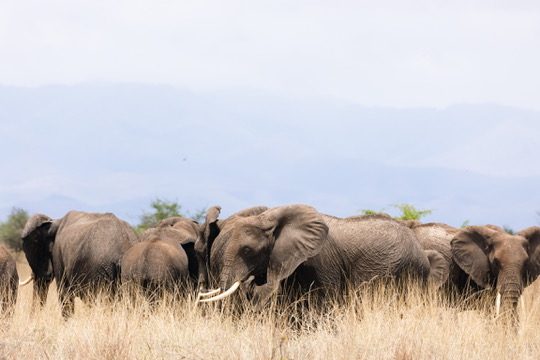
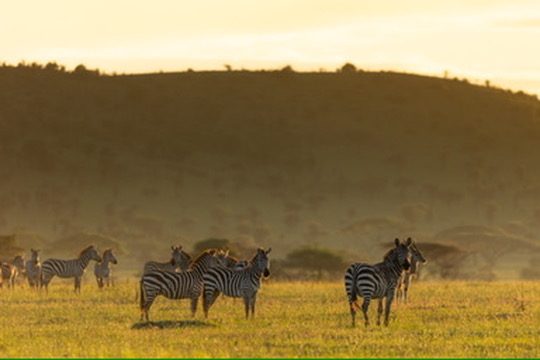
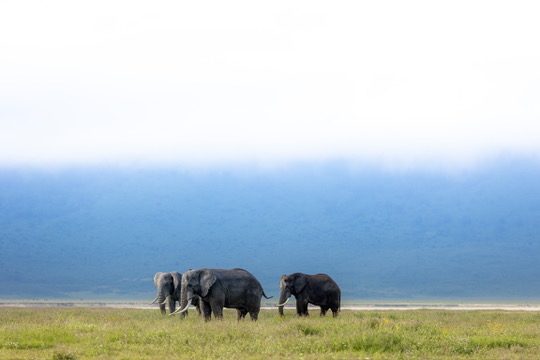
The country's largest elephant population, particularly bulls and multi-generational herds around the Tarangire River, baobab-studded skylines, tree-climbing pythons, and dry-season concentrations of buffalo, zebra and eland.

When to travel

Best time for this route

January - March
Green season. Ndutu is the star - the wildebeest calving peaks in early February. Predators are everywhere; light is dramatic. Lower rates and fewer vehicles.
June - October
Peak dry season. Game concentrates around water. River crossings in the northern Serengeti build from July, peak August-September, and taper by late October.
November - December
Short rains. Landscapes turn green, migratory birds arrive, and lodges are quieter. Excellent value with vibrant photography.
April - May
Long rains. Some seasonal camps close but the parks stay open, prices are lowest, and photographers who don't mind afternoon storms find them uniquely rewarding.
Included

What's covered

  • All park & conservation fees
  • Private 4x4 safari vehicle with pop-up roof
  • Professional English-speaking safari guide
  • Accommodation as per itinerary
  • All meals on safari (B, L, D)
  • Bottled water in the vehicle
  • Airport transfers
  • Government taxes & VAT
Not Included

Extras & optionals

  • International flights
  • Tanzania visa (US$50 pp)
  • Travel & medical insurance
  • Personal expenses & drinks (unless stated)
  • Optional activities (balloon safari, cultural add-ons)
  • Tips & gratuities
Where you stay

Handpicked lodges & camps

We tier accommodation to match your travel style - from atmospheric tented camps to unfussy comfortable lodges to owner-run luxury retreats. Below are typical properties on this itinerary; alternatives are always available on request.

Typical lodge on this route
Tarangire
Tented camp with plunge pool
Extend your journey

Optional add-ons

Hot air balloon safari

Sunrise flight over the Serengeti or Tarangire (approx. US$650-750 pp) ending with a champagne bush breakfast. Book at time of confirmation - allocations fill 6+ months out.

Walking safari with an armed ranger

Available in Tarangire, the Ngorongoro Highlands and select Serengeti concessions. 2-4 hours; different scale of engagement with tracks, plants and small game.

Cultural visits (Maasai, Hadzabe, Datoga)

We route through community-owned programmes only - fees go directly to the households you meet. Half-day to full-day.

Zanzibar beach extension

3-7 nights on the north coast (Kendwa, Nungwi, Matemwe) or the quieter east (Michamvi, Pongwe). Direct flights from Arusha or Kilimanjaro. Ideal decompression after safari.

Kilimanjaro trek add-on

6, 7 or 8-day routes (Machame, Lemosho, Rongai). We recommend a minimum 7-day itinerary for summit success and proper acclimatisation.

Practical

Packing essentials

  • Neutral safari clothing (khaki, olive, stone) - 3-4 layers, one warm fleece for early morning drives
  • Wide-brim hat, high-SPF sunscreen, lip balm, polarised sunglasses
  • Sturdy closed shoes for walks + one comfortable pair for camp
  • Small daypack, refillable water bottle, headlamp with red-light mode
  • Camera body + one telephoto (200-400mm for wildlife), spare batteries, dust blower
  • Binoculars per person (8x42 is the sweet spot)
  • Basic medical kit: anti-malarial (consult your GP), rehydration sachets, plasters, personal medication
  • Soft duffel bag (max 15kg for internal flights) rather than a hard-shell suitcase
Guide's notes

Travel tips from our team

  • Yellow fever certificate is required only if you're arriving from a country with risk of yellow fever transmission - not for direct arrivals from Europe or the Americas. Bring the card if you have it.
  • Cash matters. Small US dollar bills (2018 series or newer, undamaged) cover tips and curio purchases. ATMs work in Arusha and Moshi; the parks have none.
  • Sunrise game drives are non-negotiable. First light between 06:15 and 09:00 is when predators are still active and light is at its softest. We wake you with coffee at the tent.
  • Bring binoculars per person - a good 8x42 pair transforms your safari. Sharing one pair is the single most common regret.
  • Charge in the vehicle. Every Karis Land Cruiser has inverters and 12V outlets, so cameras and phones stay topped up between camps.
  • Neutral colours only for walking safaris and cultural visits - no bright blue (attracts tsetse), no camouflage (reserved for military).
Questions, answered

FAQ

Is the 1-Day Tarangire Safari itinerary private?+

Yes. Every Karis journey is a private departure - your own guide, your own Land Cruiser, your own pace. You do not share the vehicle with strangers.

When is the best time to book?+

8-10 months in advance for June-October travel; 4-6 months for green season. We can occasionally place late bookings when a camp releases inventory.

How much of the price is fixed vs flexible?+

Park fees, vehicles and guides are fixed. The main lever is the accommodation tier - swapping a luxury camp for its midrange sister camp can change the price by 25-35% without losing park time.

What wildlife will we realistically see on the 1-day route?+

Across Tarangire we expect the Big Four (lion, elephant, buffalo, leopard) as a strong likelihood, with cheetah and rhino depending on the parks visited. Your guide radios sightings with a trusted network of colleagues; nothing is chased or crowded.

Can you accommodate dietary requirements?+

Every camp handles vegetarian, vegan, gluten-free, halal and children's diets given advance notice at booking. We double-confirm 14 days before travel.

What is your cancellation policy?+

30% deposit at confirmation, balance 60 days before travel. Free date changes up to 45 days out subject to camp availability. Beyond that we work with each camp's individual policy.

How safe is safari travel in Tanzania?+

Tanzania is politically stable and one of the safer safari destinations in Africa. Our vehicles carry satellite communications; every itinerary has a 24/7 duty phone; guides are STCW/first-aid certified.